SpaceX satellite launch: Proven upgrades for Space Force
SpaceX satellite launch is set to enhance Space Force capabilities with 21 new satellites deployed from California.
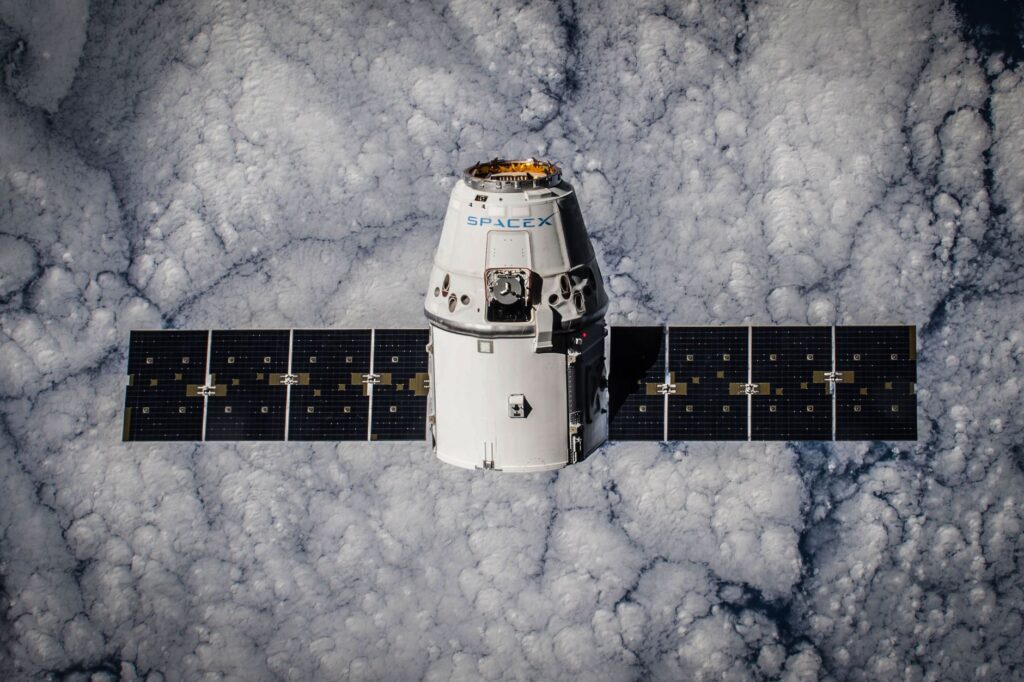
SpaceX satellite launch marks a significant milestone as it successfully deployed 21 satellites aiding Space Force upgrade efforts.
Overview of the SpaceX satellite launch
On Thursday, SpaceX successfully conducted a satellite launch from California, deploying 21 satellites that are set to enhance the capabilities of the U.S. Space Force. This mission is part of an ongoing effort to upgrade the nation’s space assets, ensuring improved communication and surveillance capabilities.
The launch highlights the increasing reliance on private aerospace companies like SpaceX for military support. The satellites are equipped with advanced technology, designed to provide critical data and connectivity.
Key points regarding the launch include:
- Launch Date: The mission took place on Thursday, marking a significant milestone for SpaceX.
- Number of Satellites: A total of 21 satellites were successfully deployed into orbit.
- Enhanced Capabilities: The new satellites will support various Space Force operations and improve overall mission readiness.
- Private-Public Collaboration: The launch underscores the importance of partnerships between government and private companies in advancing space technology.
This SpaceX satellite launch represents a crucial step toward achieving enhanced national defense through modernized space assets.
Impact on Space Force capabilities
The recent SpaceX satellite launch has significantly enhanced the capabilities of the U.S. Space Force. By deploying 21 advanced satellites, this launch not only expands the constellation of assets for military operations but also integrates proven technological upgrades that improve communication and surveillance.
These upgrades include:
- Improved data transmission: Enhanced bandwidth allows for faster and more reliable communication between ground forces and satellite systems.
- Advanced imaging capabilities: New sensors equipped on the satellites enable higher resolution images for reconnaissance missions.
- Resilience against threats: The latest designs incorporate features to withstand potential anti-satellite weaponry, ensuring mission continuity.
As the Space Force continues to evolve, the integration of these satellites marks a pivotal step towards establishing a robust space architecture. The SpaceX satellite launch not only demonstrates the effectiveness of public-private partnerships but also reinforces national security in the increasingly contested domain of space.
Details of the 21 satellites deployed
On Tuesday, SpaceX successfully executed a satellite launch from California, deploying a total of 21 satellites designed to enhance the operational capacity of the U.S. Space Force. This launch is a significant milestone in ongoing efforts to modernize and upgrade military satellite systems.
The satellites included a mix of advanced communication and surveillance technologies aimed at ensuring superior situational awareness in space. Notably, the mission illustrated the effectiveness of recent enhancements in SpaceX’s launch capabilities, which are crucial for meeting the evolving demands of national security.
Among the key features of the newly deployed satellites are:
- Improved communication bandwidth to facilitate real-time data transfer.
- Enhanced imaging technology for better reconnaissance capabilities.
- Increased resilience against potential space debris impacts.
These advancements are expected to provide the Space Force with a robust framework to respond to emerging threats and to maintain a competitive edge in space operations.
Future missions and advancements in space technology
The recent SpaceX satellite launch marks a significant step forward in enhancing space technology for future missions. As SpaceX continues to innovate, several advancements are on the horizon that promise to benefit not only the Space Force but also commercial enterprises.
Among the key developments anticipated are:
- Improved propulsion systems: Enhanced engines are being tested to increase efficiency and reduce launch costs.
- Smarter satellites: The integration of artificial intelligence will allow satellites to process data in real-time, improving responsiveness.
- Reusable launch vehicles: Further refinements in reusable technology will enable more frequent launches, essential for meeting growing demands.
- Collaboration with government agencies: Partnerships with the Space Force and other government sectors aim to share data and enhance mission success.
These advancements not only support the objectives of the Space Force but also solidify SpaceX’s role as a leader in the space industry, paving the way for future satellite launches that are more efficient and strategic.
The recent SpaceX satellite launch showcased the significant improvements made in technology and design, reinforcing the partnership with the Space Force. As the demand for reliable satellite deployment grows, the SpaceX satellite launch has become a critical component of national security efforts.
Photo by SpaceX on Pexels
Where this came from
Related stories
AI adoption in India: Best Proven Strategies for Success · Dell Pro Rugged 13 Extreme: The Best Laptop for Tough Conditions · Starlink India launch delay: Competition heats up with Jio’s plan