SpaceX Falcon 9 Launch: The Best Proven Mission to ISS
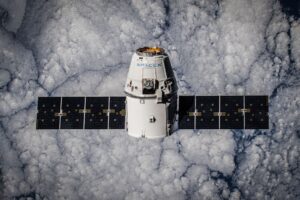
SpaceX Falcon 9 launch successfully delivered NASA’s CRS-35 mission to the International Space Station, marking another milestone for space exploration.
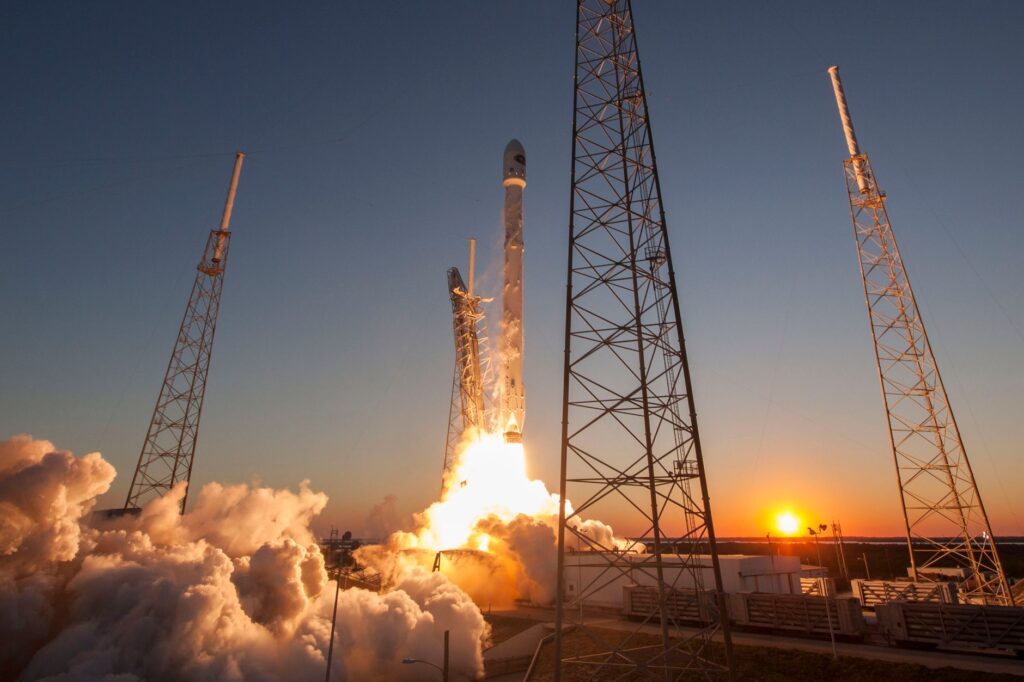
The SpaceX Falcon 9 launch has successfully delivered NASA’s CRS-35 mission to the International Space Station. This achievement showcases SpaceX’s continued reliability in space missions.
Overview of the SpaceX Falcon 9 Launch
The recent SpaceX Falcon 9 launch marked a significant milestone as it successfully delivered NASA’s CRS-35 mission to the International Space Station (ISS). This mission is part of a series of resupply flights that aim to support ongoing research and operations aboard the ISS.
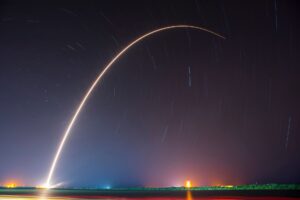
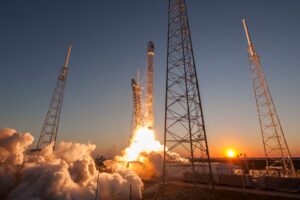
The Falcon 9 rocket, known for its reusability and reliability, took off from Cape Canaveral Space Force Station, showcasing the advancements in space technology. The launch vehicle is designed to carry payloads to various orbits and has proven its capabilities through numerous missions.
Key features of the SpaceX Falcon 9 launch include:
- Reusability: The first stage of the Falcon 9 successfully returned to Earth, landing on a drone ship in the ocean.
- Payload Capacity: The rocket can carry a significant amount of cargo, enhancing the ISS’s capabilities.
- Efficiency: The launch was conducted with precision, reflecting SpaceX’s commitment to reducing costs and increasing access to space.
This successful mission not only underlines the effectiveness of the Falcon 9 but also reinforces SpaceX’s role as a leader in commercial spaceflight.
Key Objectives of NASA’s CRS-35 Mission
The recent SpaceX Falcon 9 launch marked a significant milestone in NASA’s Commercial Resupply Services (CRS) program, specifically focusing on the CRS-35 mission. This mission has several key objectives that aim to enhance scientific research and operational capabilities aboard the International Space Station (ISS).
One of the primary goals is to deliver essential supplies and equipment to the ISS, ensuring that astronauts have the necessary resources to conduct their experiments. These supplies include:
- Food and Nutritional Items: Vital for maintaining crew health during long missions.
- Scientific Experiments: Various payloads designed to advance research in fields such as biology, physics, and advanced materials.
- Hardware and Equipment: Tools and components required for ongoing maintenance and updates of the ISS systems.
Additionally, the mission aims to test new technologies that could be used in future deep space explorations. The success of the SpaceX Falcon 9 launch not only reinforces the importance of international collaboration in space exploration but also paves the way for future missions that will expand our understanding of the universe.
Impact of Falcon 9 on Space Exploration
The SpaceX Falcon 9 launch has significantly impacted the landscape of space exploration, particularly in terms of cost efficiency and reliability. This rocket has transformed how cargo is delivered to the International Space Station (ISS), making it a pivotal asset in NASA’s commercial resupply efforts.
One of the primary benefits of the Falcon 9 is its reusability. By enabling the same rocket to be launched multiple times, SpaceX has drastically reduced the expenses associated with space missions. This advancement allows for more frequent missions, facilitating a steady supply of vital materials to the ISS.
Moreover, the success of the Falcon 9 missions has built trust in commercial spaceflight. As more private companies enter the field, collaboration with government agencies like NASA becomes increasingly common. Key impacts include:
- Enhanced Research Opportunities: Regular resupply missions support ongoing scientific experiments aboard the ISS.
- Increased International Collaboration: The reliability of Falcon 9 encourages other nations to participate in joint missions.
- Future Plans for Exploration: The technology and experience gained from Falcon 9 pave the way for upcoming deep space missions.
Overall, the SpaceX Falcon 9 launch has positioned itself as a cornerstone of modern space exploration, proving that innovative approaches can yield substantial results.
Future of SpaceX Missions
The future of SpaceX missions looks promising, especially with the success of the Falcon 9 launch. As the company continues to innovate, several upcoming projects are expected to push the boundaries of space exploration further.
SpaceX aims to enhance its capabilities through various initiatives:
- Starship Program: The development of the fully reusable Starship spacecraft is set to revolutionize interplanetary travel, with plans for missions to Mars and beyond.
- Commercial Payloads: SpaceX is expanding its commercial launch portfolio, offering more opportunities for satellite deployment and research missions.
- Human Spaceflight: Continued collaboration with NASA for crewed missions to the International Space Station (ISS) ensures that human presence in low Earth orbit remains a priority.
Moreover, the Falcon 9’s consistent reliability has established a solid foundation for future endeavors. Each successful launch not only demonstrates the rocket’s capabilities but also builds confidence in upcoming projects. With a track record of success, SpaceX is poised to tackle new challenges and redefine our understanding of space travel.
Photo by SpaceX on Pexels
References
Honeywell Technologies launch: The Smart Building Revolution · Samsung Galaxy S25 FE price: Is it Worth the Drop? · OnePlus 13s launch: The Best Complete Specs and Price Details