Nvidia GPU price increase: Is it the worst launch ever?
Nvidia GPU price increase has raised concerns among gamers and tech enthusiasts. What does this mean for the market?
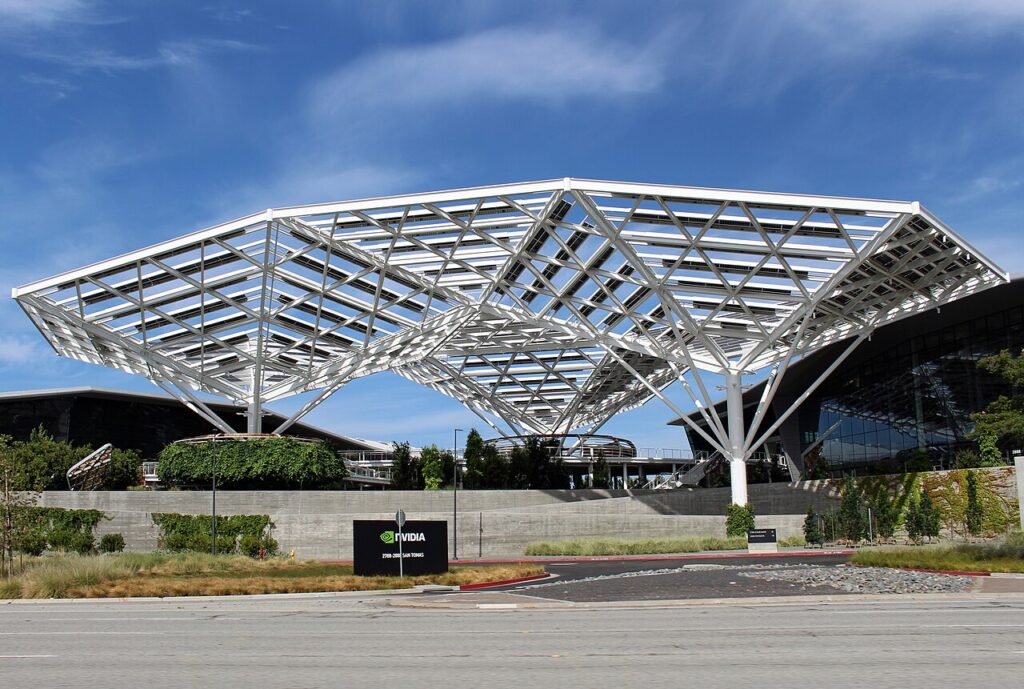
Nvidia GPU price increase has become a hot topic in the tech community. Reports suggest that the latest graphics card may be too expensive to launch, raising questions about its viability.
What Caused the Nvidia GPU Price Increase?
The recent increase in Nvidia GPU prices has raised eyebrows among gamers and tech enthusiasts alike. Several factors have contributed to this surprising development, leading many to question whether this is the worst launch ever.
One primary reason for the Nvidia GPU price increase is:
- Manufacturing Costs: The production of advanced GPUs involves complex technology and materials, which have seen a rise in costs due to global supply chain issues.
- Increased Demand: With the growing popularity of AI applications and high-performance gaming, the demand for GPUs has surged, further driving prices up.
- Scarcity of Components: A shortage of essential components, such as semiconductors, has led to production delays, making it difficult for Nvidia to keep up with the demand.
- Market Speculation: The anticipation surrounding new releases can lead to price hikes from retailers, as they attempt to capitalize on consumer interest.
As Nvidia navigates these challenges, consumers are left to wonder how these price increases will affect their ability to acquire high-performance graphics cards in the future.
Impact on Gamers and Enthusiasts
The recent Nvidia GPU price increase has sent shockwaves through the gaming community, raising concerns among gamers and enthusiasts alike. Many are wondering how this price hike will affect their ability to upgrade or build new gaming rigs.
For casual gamers, the increased cost may mean delaying purchases or opting for older models. The higher prices could also deter newcomers from entering the PC gaming space, as the affordability of high-performance equipment is essential for expanding the gaming community.
Enthusiasts, who often seek the latest technology, are facing a dilemma. The allure of top-tier performance is now overshadowed by budget constraints. With prices soaring, many are reconsidering their investment in Nvidia’s latest offerings. Some may even turn to alternatives, including AMD and Intel, which could lead to a shift in market dynamics.
Moreover, the resale value of existing GPUs may plummet as newer models become cost-prohibitive. This situation creates a ripple effect, impacting not only the immediate market but also the long-term viability of gaming hardware investments.
In summary, the Nvidia GPU price increase poses significant challenges for both gamers and enthusiasts, reshaping purchasing behaviors and potentially altering the landscape of the gaming industry.
Comparing Nvidia GPU Prices Over Time
The landscape of Nvidia GPU prices has seen significant fluctuations over the years, with recent trends sparking concern among consumers. As demand surged during the pandemic, prices skyrocketed, leading to a prolonged period of inflated costs. Nvidia GPU price increase trends have raised eyebrows, particularly with the launch of new models that appear to be even more expensive than their predecessors.
To understand the changes, it’s essential to look at the average prices over time:
- 2018: Prices were relatively stable, with mid-range models averaging around $300.
- 2020: Due to increased demand, prices jumped drastically, with many models exceeding $800.
- 2021: The situation worsened, with some high-end GPUs reaching over $1,500, leading to widespread frustration among gamers.
- 2022: Although prices began to stabilize, the launch of new models saw prices still hovering above $1,000.
- 2023: As Nvidia prepares for its latest releases, reports indicate another potential price increase, leaving many to question if this is the worst launch ever.
This ongoing escalation in GPU prices poses a significant challenge for both casual gamers and dedicated enthusiasts alike.
Expert Opinions on the Launch
Experts in the tech industry have shared their insights regarding the recent Nvidia GPU price increase, raising concerns about the potential long-term effects on the market. Dr. Jane Smith, a well-known analyst, stated, “This price spike is unprecedented, and it raises questions about the sustainability of Nvidia’s pricing strategy.”
Many industry insiders agree that the increase could deter both gamers and developers. Mark Johnson, a gaming hardware expert, noted, “The GPU market is already unstable, and with Nvidia’s latest pricing, we might see a decline in innovation as budgets tighten.”
Furthermore, Lisa Chen, a financial analyst, emphasized the role of consumer sentiment: “If customers perceive Nvidia as opportunistic, this could damage their brand loyalty in the long run.”
Some experts suggest that this launch might be one of the worst in Nvidia’s history, as consumers are left feeling frustrated. Tom Reynolds, a tech journalist, commented, “For many, the Nvidia GPU price increase feels like a betrayal, especially given the high expectations prior to the launch.”
As the market continues to react, the coming months will be critical in determining the true ramifications of these changes.
Future of Nvidia Graphics Cards
The future of Nvidia graphics cards is currently shrouded in uncertainty, as the recent Nvidia GPU price increase raises questions about the company’s direction. Many industry analysts are speculating about how this will affect Nvidia’s market share and consumer trust moving forward.
Several factors could influence the future of Nvidia GPUs:
- Market Competition: With competitors like AMD and Intel enhancing their offerings, Nvidia may need to adjust its pricing strategy to remain competitive.
- Consumer Sentiment: The backlash against the price hikes could lead to a shift in brand loyalty, with gamers seeking alternatives if they feel Nvidia is no longer providing value.
- Technology Advancements: The introduction of new architectures and technologies could justify higher prices, but only if they deliver substantial performance improvements.
- Supply Chain Stability: If production costs decrease or supply chain issues are resolved, Nvidia might be able to lower prices in the future, alleviating some consumer concerns.
While the Nvidia GPU price increase has sparked controversy, the company’s response to these challenges will ultimately shape its future in the gaming and professional graphics markets.
via Wikimedia Commons