Is the Nuclear-Armed Satellite Plan the Worst Space Threat?
Nuclear-armed satellite plans raise concerns about global security.
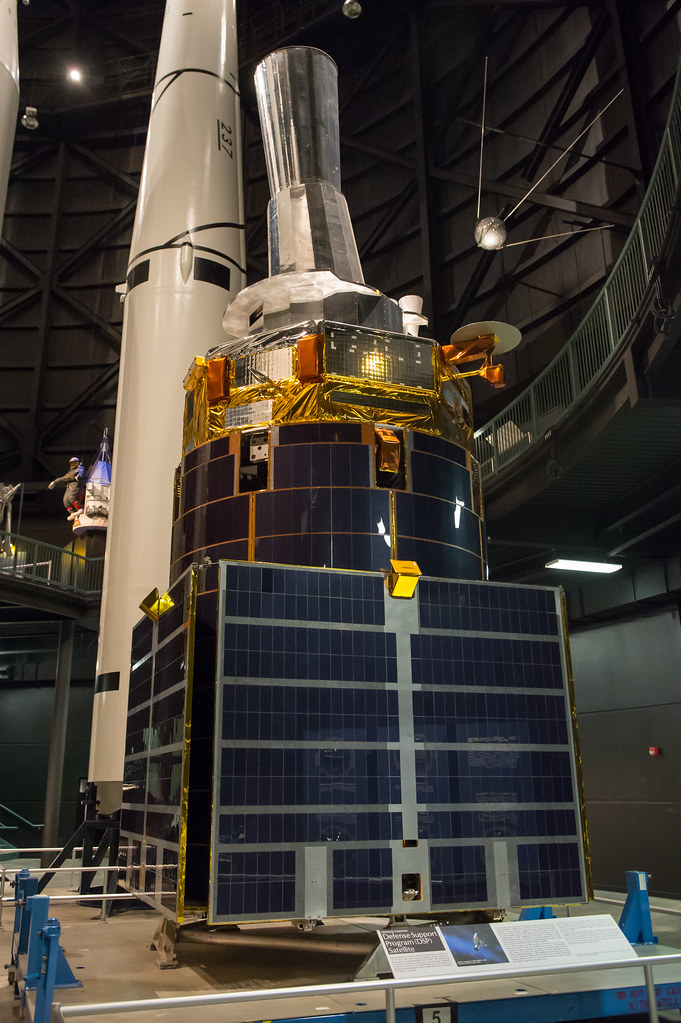
The nuclear-armed satellite plan has sparked significant debate among experts and governments. As Russia prepares to send this satellite into space, the implications for international security are under scrutiny.
What is a Nuclear-Armed Satellite?
A nuclear-armed satellite is a type of spacecraft designed to carry and potentially deploy nuclear weapons from orbit. These satellites can serve various military purposes, including deterrence, surveillance, and rapid response capabilities in the event of a conflict. The emergence of such technology has raised significant concerns among global leaders about the implications for international security.
According to recent reports, Russia plans to send a nuclear-armed satellite into space this year, escalating tensions in an already complex geopolitical landscape. This development has sparked widespread debate about the risks associated with the proliferation of nuclear-armed satellites.
Experts warn that the deployment of nuclear-armed satellites could:
- Increase the likelihood of miscalculations during military conflicts.
- Lead to a new arms race in space, as other nations may feel pressured to develop similar capabilities.
- Complicate existing arms control agreements and negotiations.
As nations grapple with these challenges, the potential consequences of nuclear-armed satellites remain a critical topic for policymakers worldwide.
Russia’s Space Ambitions Explained
Russia’s ambitions in space have evolved significantly over the past few years, with the nation now reportedly planning to deploy a nuclear-armed satellite. This development raises concerns among global security experts and policymakers alike.
The initiative seems to stem from a desire to enhance Russia’s military capabilities and maintain strategic parity with other nuclear powers. Analysts suggest that the nuclear-armed satellite could serve multiple purposes, including:
- Deterrence: By showcasing its advanced technology, Russia aims to deter potential adversaries from engaging in military actions against it.
- Surveillance: The satellite could provide real-time intelligence, giving Russia an edge in monitoring global military movements.
- Weaponization of Space: This move is seen as part of a broader trend toward the militarization of space, which can escalate tensions between nations.
With the potential deployment of a nuclear-armed satellite, experts warn about the risks of an arms race in space, highlighting the urgent need for international dialogue and treaties to mitigate such threats.
The Risks of Nuclear Satellites
The prospect of a nuclear-armed satellite has raised significant concerns among global security experts and policymakers. The deployment of such technology could fundamentally alter the balance of power in space, leading to an increased risk of conflict.
One of the primary risks associated with nuclear-armed satellites includes:
- Escalation of Tensions: The mere existence of nuclear capabilities in space could provoke adversaries, potentially leading to an arms race.
- Accidental Detonation: The risk of accidental launch or detonation of a nuclear weapon from a satellite poses a catastrophic threat to both space and Earth.
- Target for Cyber Attacks: As satellites become more integral to national security, they may become attractive targets for cyber warfare, possibly exposing nuclear arsenals.
- Violation of Treaties: The introduction of nuclear-armed satellites may violate existing international treaties aimed at preventing the militarization of space.
As nations like Russia pursue these advanced capabilities, the call for effective regulation and dialogue on space security becomes increasingly urgent.
Global Reactions to Russia’s Plans
Global reactions to Russia’s plans for a nuclear-armed satellite have been swift and diverse, highlighting deep concerns among international leaders and organizations. Many experts warn that the introduction of such a satellite could escalate tensions in an already volatile geopolitical landscape.
- United States: The U.S. government has expressed alarm, stating that the deployment of a nuclear-armed satellite could destabilize global security. Officials have emphasized the importance of diplomatic dialogue to address these emerging threats.
- European Union: The EU has echoed similar concerns, calling for a comprehensive assessment of the implications of nuclear-armed satellites. European leaders are advocating for increased transparency in Russia’s military space programs.
- China: While initially supportive of Russia’s space ambitions, China has also voiced unease about the potential arms race that could follow the launch of a nuclear-armed satellite.
- International Organizations: Various organizations have urged for renewed discussions on arms control agreements to prevent an escalation of militarization in space.
As the world watches, the question remains whether diplomatic efforts can effectively mitigate the risks posed by Russia’s nuclear-armed satellite plan.
Technological Aspects of Space Warfare
As nations continue to explore the potential of space warfare, the technological aspects surrounding the deployment of a nuclear-armed satellite raise significant concerns. The integration of nuclear capabilities into satellite systems represents a paradigm shift in military strategy, where space becomes a battleground.
Key technologies involved in developing a nuclear-armed satellite include:
- Advanced Propulsion Systems: These systems are essential for maneuvering satellites during critical missions, enhancing their operational flexibility.
- Stealth Technology: To evade detection, satellites may employ advanced cloaking mechanisms, making it difficult for adversaries to track their movements.
- AI and Autonomous Systems: Artificial intelligence plays a crucial role in decision-making processes, enabling rapid responses to threats in a complex space environment.
- Secure Communication Networks: Maintaining secure lines of communication is vital for the successful operation of nuclear-armed satellites, ensuring commands are executed without interception.
As these technologies evolve, the implications for international security and military balance become more pronounced, prompting discussions about the future of warfare in space.
Historical Context of Space Militarization
The militarization of space has a complex history, influenced by geopolitical tensions and technological advancements. The Cold War era marked a significant escalation in space competition, with both the United States and the Soviet Union seeking to establish dominance. Early efforts primarily focused on reconnaissance and missile detection, but as technology evolved, so did military ambitions.
In the 1980s, initiatives like the Strategic Defense Initiative (SDI) underscored the potential of space-based weaponry, prompting fears of an arms race beyond Earth’s atmosphere. Today, the conversation has shifted towards the possibility of a nuclear-armed satellite, which represents a new frontier in military strategy.
Several nations have developed anti-satellite capabilities, further complicating international relations. As countries pursue these advanced technologies, concerns grow over the implications for global security. The prospect of a nuclear-armed satellite introduces a unique set of risks, as it could lead to a destabilizing arms race in space.
As the potential deployment of such satellites looms, the historical context of space militarization serves as a reminder of the fragile balance between technological progress and the threat of conflict.
Future of Space Security
The future of space security is increasingly precarious, especially with the prospect of a nuclear-armed satellite in orbit. As nations expand their military capabilities beyond Earth, the potential for conflict in space raises significant concerns among global leaders and security experts alike.
Many analysts argue that the introduction of nuclear-armed satellites could trigger a new arms race in space. The implications of such technology include:
- Increased Tensions: Nations may feel compelled to develop countermeasures or their own nuclear capabilities in space.
- Accidental Engagements: The risk of miscommunication or accidental launches could escalate conflicts.
- Destabilization of Treaties: Existing treaties aimed at limiting weapons in space could be undermined.
Furthermore, the deployment of nuclear-armed satellites could set a dangerous precedent, leading to a future where space becomes a battleground. As countries like Russia advance their space militarization plans, it is vital for the international community to address these challenges collaboratively to prevent a catastrophic scenario.
Ultimately, the question remains: how can the world ensure that space remains a domain of peace rather than conflict?
By mark6mauno via Openverse