Tesla Full Self-Driving Feature: Worst Update Yet
Tesla Full Self-Driving feature faces removal in V15 update, raising concerns among users about safety and reliability.
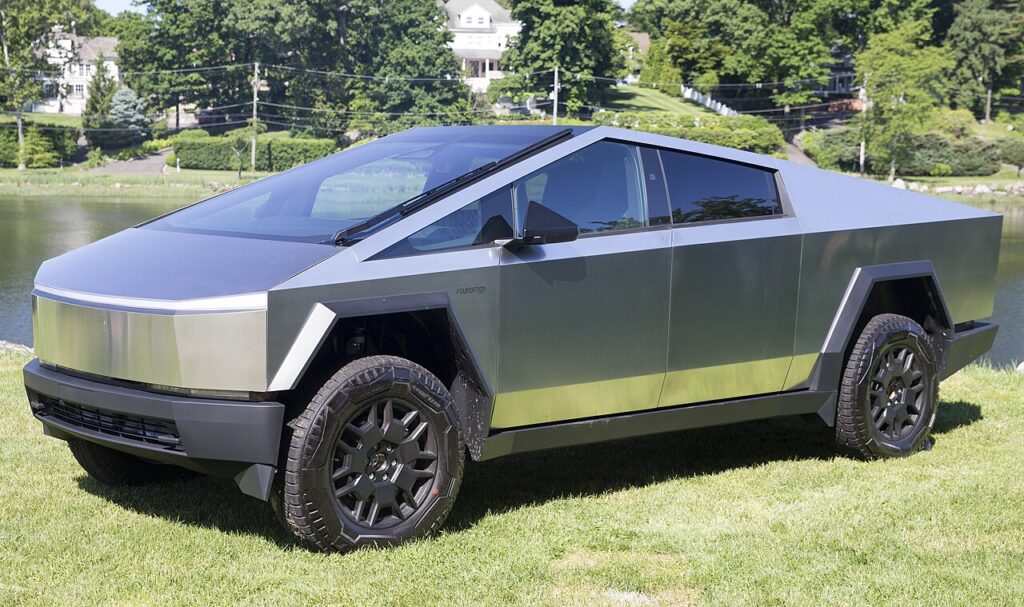
7G2CEHED4RA010306
Tesla Full Self-Driving feature has been removed in the latest V15 update, a decision that has sparked discussions among users and industry experts alike.
What Led to the Removal of the Feature?
The recent decision by Tesla to remove its Full Self-Driving feature has left many industry experts and users questioning the motivations behind this move. Several factors contributed to this significant change in the V15 update, leading to widespread discussion among stakeholders.
Firstly, user feedback played a crucial role in this decision. Many drivers reported a series of issues with the Full Self-Driving feature, including:
- Inconsistent performance in urban environments
- Difficulty recognizing traffic signals
- Frequent disengagements requiring driver intervention
Additionally, safety concerns emerged as a major factor. Incidents involving the Full Self-Driving feature raised alarms about potential risks on the road, prompting Tesla to reassess its reliability and overall safety. The company aims to prioritize customer safety and uphold its reputation as a leader in innovation.
Lastly, regulatory pressures have intensified, with various governments scrutinizing the efficacy and safety of autonomous driving technologies. As Tesla navigates these challenges, the removal of the Full Self-Driving feature appears to be a strategic move aimed at refining the technology before reintroducing it in a more reliable form.
User Reactions to the Update
In the wake of the latest V15 update, user reactions to the Tesla Full Self-Driving feature have been overwhelmingly negative. Many drivers have taken to social media platforms to express their frustrations, citing a variety of issues that have arisen since the update.
Common complaints include:
- Increased Disengagements: Users report that the system is now disengaging more frequently, forcing drivers to take over control unexpectedly.
- Navigation Errors: Several drivers have experienced significant navigation errors, causing the vehicle to take unexpected routes or fail to recognize traffic signals.
- Unresponsive Features: Some features that were previously operational have become unresponsive or less reliable, leading to concerns about safety.
- Loss of Trust: Users express a growing lack of trust in the Tesla Full Self-Driving feature, feeling that the update has compromised their driving experience.
Additionally, a number of Tesla owners have voiced their disappointment in the company’s communication regarding the update. Many feel that more transparency about the changes and the reasoning behind them would have helped mitigate frustration. As Tesla navigates these challenges, user feedback remains crucial in shaping future iterations of the Full Self-Driving feature.
Implications for Tesla’s Future Developments
The recent removal of the Tesla Full Self-Driving feature in the major V15 update has raised significant concerns about the company’s future developments. While the decision aims to address user dissatisfaction, it also signals a critical turning point for Tesla’s autonomous driving technology.
Industry experts believe that this development may have several implications for Tesla:
- Innovation Strategy: The removal might force Tesla to reassess its approach to innovation and development in autonomous driving. The company has long been viewed as a leader in this sector, and any setbacks could impact its reputation.
- Consumer Trust: Frequent updates and removals can lead to a deterioration of consumer trust. Users expect reliability and consistency from a brand that promises cutting-edge technology.
- Regulatory Scrutiny: As Tesla navigates the complex landscape of autonomous vehicle regulation, this update may attract more scrutiny from regulators. Compliance with safety standards is paramount for future advancements.
- Market Competition: Other automakers are rapidly advancing their own autonomous driving capacities. Tesla’s challenges could provide an opening for competitors to gain market share.
Ultimately, the implications of this update could shape not only Tesla’s future developments but also the broader landscape of autonomous vehicle technology.
Is the Full Self-Driving Feature Worth It?
The recent updates to the Tesla Full Self-Driving feature have sparked a heated debate among users and industry experts alike. As Tesla continues to refine its autonomous driving technology, many are left questioning whether the latest changes are beneficial or detrimental.
One significant aspect to consider is the overall user experience. Many drivers have reported mixed feelings about the usability and reliability of the Full Self-Driving feature after the V15 update. Some users have noted improvements in certain driving scenarios, while others argue that the removal of specific capabilities has hindered the system’s performance.
To evaluate the worth of the Tesla Full Self-Driving feature, several factors come into play:
- Cost vs. Benefit: The financial investment for the Full Self-Driving package raises questions about its true value when features are frequently altered or removed.
- Safety Considerations: Users are primarily concerned about safety, and any perceived decline in the reliability of the system can significantly impact its desirability.
- Future Updates: The potential for future improvements and enhancements may influence whether current users feel their investment is justified.
Ultimately, the decision of whether the Tesla Full Self-Driving feature is worth it will depend on individual preferences and how the system evolves over time.
The latest release of the Tesla Full Self-Driving feature has left many users frustrated and disappointed. Critics argue that this update of the Tesla Full Self-Driving feature fails to address previous issues, raising concerns about its overall reliability.
via Wikimedia Commons
Where this came from
DESNZ Energy Independence Bill: Clear Impact Assessment Insights · Vivo X500 Series: Best Proven Features You Need to Know · Huawei Mate90 Air: Is This the Best Smartphone Yet?