Is the Commercial Space Station Procurement Worth It?
Commercial space station procurement is a crucial step for NASA’s future.
The commercial space station procurement process is pivotal for NASA’s ambitions in low Earth orbit. With the final RFP issued, the agency aims to partner with private companies for innovative space solutions.
Overview of NASA’s RFP
NASA has recently issued its final Request for Proposals (RFP) for the procurement of a commercial space station, marking a significant step in the agency’s efforts to transition low Earth orbit activities to the private sector. This initiative aims to stimulate the development of new technologies and partnerships that can support a sustainable presence in space.
The RFP outlines specific requirements and objectives for potential bidders, emphasizing the need for innovative solutions that can enhance research capabilities and facilitate international partnerships. Key areas of focus include:
- Development of a modular design that allows for scalability and adaptability.
- Demonstration of safety and reliability in operations.
- Plans for scientific research and commercial utilization of the station.
- Long-term sustainability and cost-effectiveness of the station’s operations.
As the commercial space station market evolves, NASA hopes to leverage the expertise of private companies to deliver services that support its missions. By opening the door to commercial entities, the agency is fostering an environment where innovation can thrive and contribute to humanity’s exploration of outer space.
Importance of Commercial Space Stations
The growing interest in commercial space stations highlights their significance in the future of space exploration and utilization. These facilities are expected to play a crucial role in advancing scientific research, technology development, and economic opportunities beyond Earth.
One of the primary benefits of commercial space stations is their potential to foster innovation. By allowing private companies to operate these stations, NASA aims to stimulate competition and encourage the development of new technologies. This could lead to breakthroughs in various fields, including materials science, pharmaceuticals, and agriculture.
Additionally, commercial space stations can serve as platforms for international collaboration. Countries can partner with private companies to conduct experiments and share knowledge, promoting a spirit of cooperation in space exploration.
Moreover, as government funding for space initiatives fluctuates, commercial entities can provide a sustainable model for maintaining operations in low Earth orbit. This shift could enable continuous scientific output and support a thriving space economy.
In conclusion, investing in commercial space stations presents numerous opportunities that could significantly benefit scientific advancement and economic growth in the aerospace sector.
Key Players in the Procurement
As the commercial space station procurement moves forward, several key players are emerging in the competitive landscape. These organizations are poised to shape the future of low Earth orbit operations and research.
- NASA – As the agency behind the RFP, NASA plays a crucial role in defining the requirements and expectations for commercial space stations, ensuring they align with national interests and scientific goals.
- Blue Origin – Founded by Jeff Bezos, Blue Origin has made significant strides in space technology and aims to contribute with its own innovative designs for commercial space stations.
- Northrop Grumman – With its extensive experience in aerospace and defense, Northrop Grumman is expected to leverage its expertise to offer robust solutions in the procurement process.
- SpaceX – Known for its revolutionary approach to space travel, SpaceX is another significant contender, bringing its advanced technology and operational experience to the development of commercial space stations.
Each of these players brings unique capabilities and visions, influencing the overall direction of commercial space station development and its potential benefits for both industry and research.
Timeline for Proposals
The timeline for proposals related to the commercial space station procurement has been strategically outlined by NASA to ensure a thorough evaluation process. Proposals are expected to be submitted by the end of the current fiscal year, allowing companies ample time to prepare their best offerings. The evaluation phase will take approximately three months, during which NASA will assess the technical and financial viability of each submission.
Following the evaluation, NASA plans to announce the selected proposals by early next year. This announcement is crucial, as it will determine the future landscape of commercial space stations and their role in low Earth orbit activities.
The subsequent phases will involve contract negotiations and the establishment of partnerships between NASA and the selected companies. Key milestones include:
- Proposal Submission Deadline: End of current fiscal year
- Evaluation Period: Three months post-submission
- Announcement of Selected Proposals: Early next year
These steps are vital to fostering innovation and competition in the commercial space sector.
Challenges in the Space Industry
The commercial space station industry faces several significant challenges that could impact the success of NASA’s procurement initiative. As private companies aim to develop and operate their own space stations, they must navigate a complex landscape of technical, financial, and regulatory hurdles.
- Technical Feasibility: Developing a commercial space station requires advanced technology and engineering capabilities. Companies must ensure that their designs can withstand the harsh conditions of space while providing necessary life support systems.
- Funding and Investment: Securing adequate funding is critical. Many companies rely on a combination of private investment and government contracts, making financial stability a key concern as they bid for NASA’s contract.
- Regulatory Compliance: The space industry is subject to stringent regulations. Companies must navigate not only U.S. laws but also international agreements that govern space operations.
- Market Demand: Assessing the demand for commercial space stations is crucial. Companies need to demonstrate that their offerings will attract customers, including researchers and commercial clients.
Addressing these challenges will be vital for the future of commercial space stations and their role in the broader space economy.
Future of Space Exploration
The future of space exploration is poised for a significant transformation with the development of a commercial space station. As private companies step into roles traditionally held by government entities, the potential for innovation and economic growth in low Earth orbit is immense.
One of the most promising aspects of this new era is the ability to foster international collaboration. Countries around the world may partner with commercial entities to conduct research that was previously limited to government-funded missions. This collaboration could lead to breakthroughs in various fields including medicine, materials science, and environmental monitoring.
Moreover, the establishment of a commercial space station can catalyze advancements in technology, making space more accessible than ever. As commercial players invest in infrastructure, the cost of launching payloads and conducting experiments is expected to decrease, promoting a vibrant marketplace for scientific inquiry and tourism.
However, challenges remain, such as ensuring safety, addressing regulatory concerns, and securing sustainable funding. Nonetheless, the vision of a thriving commercial space station could redefine humanity’s presence in space for decades to come.
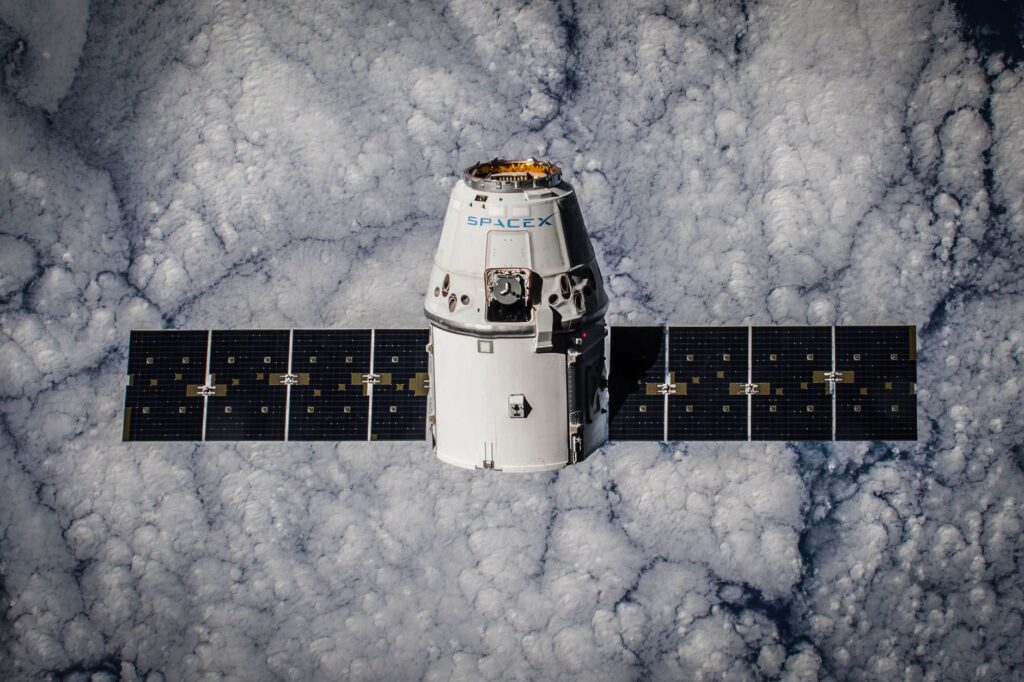
Photo by SpaceX on Pexels