Starship test: The Best Proven Launch for Starlink V3
Starship test reveals the best proven method for launching Starlink V3 satellites into orbit.

The Starship test is set to launch the first V3 Starlink birds into orbit, marking a significant advancement in satellite technology.
Overview of the Starship test
The upcoming Starship test is poised to be a significant milestone in the deployment of SpaceX’s Starlink V3 satellites. This test aims to successfully place the first batch of these advanced satellites into orbit, enhancing the capabilities of the Starlink network and improving global internet coverage.
The Starship is designed for rapid reusability, allowing multiple launches in quick succession. With its increased payload capacity, it promises to deliver more of the next-generation Starlink satellites than previous models. The V3 satellites are expected to offer enhanced performance features and improved connectivity options for users worldwide.
During the Starship test, SpaceX will conduct a series of evaluations to ensure that all systems are functioning correctly. The test will include:
- Launch sequence checks
- Trajectory assessments
- Payload deployment simulations
Successful completion of the Starship test will not only validate the spacecraft’s capabilities but also set the stage for future launches aimed at expanding the Starlink constellation. As interest in satellite internet continues to grow, this test could mark a turning point for SpaceX and its ambitions in the aerospace sector.
What is Starlink V3?
Starlink V3 represents the latest iteration of SpaceX’s ambitious satellite internet constellation, designed to provide high-speed internet access globally. This new version comes with several enhancements over its predecessors, aiming to improve connectivity, bandwidth, and overall user experience.
The primary features of Starlink V3 include:
- Increased Satellite Capacity: Each V3 satellite is equipped to handle more connections simultaneously, addressing the growing demand for high-quality internet service.
- Improved Phased Array Technology: This technology allows for better beamforming and signal direction, leading to enhanced performance even in challenging environments.
- Reduced Latency: Starlink V3 aims to minimize latency, making it more suitable for real-time applications such as gaming and video conferencing.
- Higher Throughput: With advancements in data handling, these satellites can transmit more data at faster speeds, benefiting users significantly.
The upcoming Starship test is crucial as it will facilitate the deployment of the first V3 satellites into orbit, marking a significant milestone in SpaceX’s efforts to expand and enhance its satellite network. This launch is seen as a pivotal moment in the evolution of global internet services.
Significance of this launch
The significance of the upcoming Starship test cannot be overstated, particularly for the future of satellite internet connectivity. This launch represents a pivotal moment for SpaceX as it aims to deploy the first Starlink V3 satellites into orbit. These advanced satellites are designed to enhance internet coverage, speed, and reliability, making them crucial for expanding global access to high-speed internet.
The Starship test is set to demonstrate the vehicle’s capabilities in delivering payloads to space while ensuring the successful placement of the Starlink V3 constellation. This step is essential for SpaceX to fulfill its vision of a fully operational satellite network that can serve millions of users worldwide.
Key points highlighting the significance of this launch include:
- Enhanced Performance: Starlink V3 satellites are engineered to provide faster and more stable connections.
- Global Coverage: The deployment will help bridge the digital divide, especially in underserved regions.
- Technological Advancements: This launch tests new technologies that could be critical for future space missions.
In summary, the Starship test is not just a technical milestone; it is a significant leap toward achieving SpaceX’s broader goals in the space and telecommunications sectors.
Future of satellite technology
The future of satellite technology is rapidly evolving, with innovative advancements paving the way for enhanced global connectivity. As the upcoming Starship test prepares to launch the first Starlink V3 satellites into orbit, experts believe this could signify a monumental leap in satellite capabilities.
Starlink V3 is designed to provide improved bandwidth and lower latency, addressing the growing demand for high-speed internet access worldwide. This new generation of satellites aims to offer seamless connectivity not only in urban areas but also in remote regions that have historically lacked reliable internet service.
As Elon Musk’s SpaceX continues to refine its technology, the Starship test stands as a crucial element in this evolution. The successful deployment of Starlink V3 satellites could lead to:
- Expanded global coverage: More satellites mean more areas can access high-speed internet.
- Enhanced performance: Improved signal stability and faster data transmission rates.
- Lower operational costs: Increased efficiency in satellite production and launches.
With each Starship test, the vision of a fully connected world becomes increasingly attainable.
Challenges faced in previous tests
The journey to the upcoming Starship test has not been without its hurdles. Previous tests have highlighted several challenges that must be addressed to ensure a successful launch of the Starlink V3 satellites.
- Technical Failures: Early iterations of the Starship faced significant technical issues, including engine malfunctions and structural integrity problems during ascent.
- Regulatory Hurdles: Navigating the complex landscape of regulatory approvals has delayed several attempts. Compliance with safety and environmental standards is paramount.
- Launch Pad Limitations: The infrastructure at launch sites has been pushed to its limits, necessitating upgrades and maintenance before the next Starship test can take place.
- Weather Conditions: Unfavorable weather has repeatedly forced postponements, emphasizing the need for better forecasting and contingencies.
Despite these challenges, the lessons learned have been invaluable. Each setback has provided critical insights into the engineering and operational adjustments needed for the Starship test. As teams work tirelessly to address these issues, the anticipation for the launch of the first Starlink V3 satellites grows, marking a pivotal moment in the evolution of satellite technology.
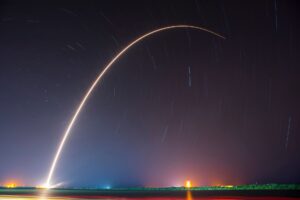
Photo by Ocean Camera Space Corp. on Pexels





1 thought on “Starship test: The Best Proven Launch for Starlink V3”