ISRO GSLV F18 launch: Quick and Proven Success
ISRO GSLV F18 launch marks a significant achievement for India’s space program.
ISRO GSLV F18 launch has successfully taken place, showcasing India’s advancements in space technology. This launch is a significant milestone for the Indian Space Research Organisation.
Overview of the ISRO GSLV F18 launch
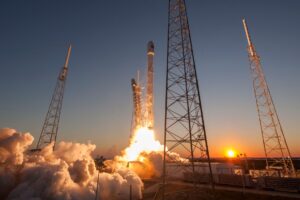
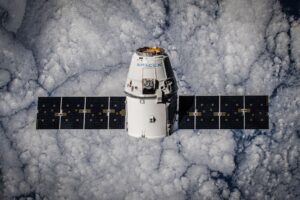
The recent ISRO GSLV F18 launch has marked another milestone in India’s space exploration efforts. Conducted by the Indian Space Research Organisation (ISRO), this launch successfully placed a communication satellite into geostationary orbit, demonstrating the reliability of the GSLV series. This mission not only showcases India’s growing capabilities in space technology but also reinforces its position in the global space industry.
The GSLV F18, equipped with advanced technologies, is designed to enhance communication services across the country. This launch is particularly significant as it comes at a time when demand for satellite-based communication is on the rise, driven by the need for better connectivity in remote areas.
Key features of the launch include:
- Launch Date: The GSLV F18 was launched on a precise schedule, showcasing ISRO’s efficient launch capabilities.
- Payload Capacity: The rocket is known for its ability to carry heavier payloads, which is crucial for more complex missions.
- Technological Advancements: The GSLV F18 includes improvements in its propulsion systems and payload integration processes.
The successful execution of the ISRO GSLV F18 launch not only boosts national pride but also opens up new avenues for technological collaboration and commercial opportunities in the space sector.
Key objectives of the GSLV F18 mission
The GSLV F18 mission, conducted by ISRO, aims to achieve several critical objectives that underscore the significance of this launch. The primary goals are outlined as follows:
- Deployment of Communication Satellites: One of the main objectives of the GSLV F18 mission is to place communication satellites into geostationary orbit, enhancing India’s communication infrastructure.
- Technological Advancements: The mission seeks to demonstrate new technologies that improve launch vehicle performance, including enhanced payload capabilities and reliability.
- Support for National Development: By facilitating the deployment of essential satellites, the GSLV F18 launch will support various sectors such as telecommunications, broadcasting, and internet services, contributing to national development.
- Strengthening Strategic Capabilities: This launch is also part of India’s broader strategy to enhance its space capabilities, making advancements in satellite technology and launch systems.
- International Collaboration: ISRO aims to collaborate with international entities through the GSLV F18 mission, showcasing India’s growing prowess in space technology.
These objectives reflect ISRO’s commitment to utilizing the GSLV F18 launch for not only technological growth but also for improving the socio-economic landscape of the nation.
Technical specifications of the GSLV F18 rocket
The GSLV F18 rocket, developed by the Indian Space Research Organisation (ISRO), boasts several advanced technical specifications that enhance its performance and reliability. This launch vehicle is designed to deliver payloads to geosynchronous transfer orbit with precision.
Key technical specifications of the GSLV F18 include:
- Height: Approximately 49 meters, making it one of the taller launch vehicles in ISRO’s fleet.
- Weight: The rocket weighs around 420 tons at lift-off, showcasing its substantial capability to carry significant payloads.
- Payload Capacity: GSLV F18 can carry payloads of up to 2,500 kg to geosynchronous transfer orbit, allowing for a variety of satellite missions.
- Stages: The launch vehicle consists of three stages, utilizing solid, liquid, and cryogenic propulsion technologies for optimal efficiency.
- Launch Configuration: The rocket features a unique indigenously developed cryogenic upper stage that enhances thrust and performance during the final phase of the flight.
The GSLV F18 launch is a testament to ISRO’s commitment to advancing space technology and expanding India’s capabilities in satellite deployment and exploration.
Previous ISRO launches and their impact
The Indian Space Research Organisation (ISRO) has a storied history of successful launches that have significantly impacted both national and global space endeavors. Each mission has contributed to technological advancements, scientific research, and international collaboration.
Some notable previous ISRO launches include:
- PSLV-C37: Launched in February 2017, this mission set a world record by placing 104 satellites in a single mission, showcasing ISRO’s capacity for large-scale satellite deployment.
- Mangalyaan (Mars Orbiter Mission): Launched in November 2013, it made India the first Asian nation to reach Martian orbit and the first nation globally to do so on its maiden attempt.
- Chandrayaan-2: Launched in July 2019, this mission aimed to explore the Moon’s south pole region, advancing lunar science and demonstrating India’s capabilities in space exploration.
Each of these missions has laid the groundwork for future projects, including the ISRO GSLV F18 launch. The cumulative experience gained from these endeavors strengthens ISRO’s reputation as a reliable space agency and enhances its ability to undertake complex missions, thereby bolstering India’s status in the global space community.
Future missions planned by ISRO
The Indian Space Research Organisation (ISRO) has ambitious plans for future missions following the success of the GSLV F18 launch. These upcoming missions aim to enhance India’s capabilities in space exploration, satellite deployment, and international collaboration.
Among the key missions on ISRO’s agenda are:
- Gaganyaan Mission: This is India’s first crewed spaceflight mission aimed at sending Indian astronauts into low Earth orbit.
- Chandrayaan-3: Following the success of Chandrayaan-2, this mission will focus on landing on the Moon’s surface to gather more data about its composition and explore potential resources.
- Mangalyaan-2: The sequel to the Mars Orbiter Mission, this will involve advanced research and exploration of Mars, further solidifying India’s presence in interplanetary missions.
- Satellite Launches: ISRO plans to launch various satellites for communication, earth observation, and navigation, utilizing the GSLV series for enhanced payload capacity.
These missions will not only demonstrate ISRO’s growing technological prowess but also contribute significantly to global scientific knowledge. The ISRO GSLV F18 launch has set a solid foundation for these future endeavors, showcasing India’s commitment to becoming a key player in the global space community.
Challenges faced during the launch
The recent ISRO GSLV F18 launch faced several challenges that tested the resilience and expertise of the Indian Space Research Organisation. Despite extensive preparations, the mission encountered unexpected weather conditions that initially threatened the launch schedule.
Key challenges included:
- Adverse Weather: Unforeseen rain and wind conditions required the team to monitor the situation closely and make last-minute adjustments to the launch timeline.
- Technical Glitches: During pre-launch checks, minor technical issues were detected, which necessitated additional troubleshooting to ensure the rocket’s systems were fully operational.
- Logistical Delays: The transport of the rocket components to the launch site faced delays due to road conditions, requiring a reevaluation of the transport schedule.
ISRO’s ability to adapt quickly to these challenges was crucial in maintaining the integrity of the mission and ensuring that all systems were go for launch. The team’s commitment to safety and precision reflected in their approach as they navigated these hurdles. Ultimately, the successful execution of the GSLV F18 launch underscored ISRO’s expertise in handling complex situations and reinforced their reputation as a leading space agency.
Public reaction to the ISRO GSLV F18 launch
The recent ISRO GSLV F18 launch has sparked a wave of excitement and pride among the Indian public, showcasing the nation’s growing prowess in space technology. Social media platforms have been flooded with reactions from enthusiasts and ordinary citizens alike, celebrating the milestone.
Many users took to Twitter and Facebook to express their admiration, with hashtags like #ISRO and #GSLVF18 trending shortly after the successful launch. Comments highlighted the significance of the mission, with one user stating, “Another feather in ISRO’s cap! Proud to be Indian!” The sentiment reflects a deep-rooted pride in the scientific achievements of the Indian Space Research Organisation.
In addition to individual reactions, various educational institutions organized watch parties, engaging students in discussions about the implications of the launch. Teachers emphasized the importance of space exploration in inspiring future generations to pursue careers in science and technology.
Public figures, including politicians and celebrities, also shared their congratulations. A renowned actor noted, “ISRO continues to make us proud. This launch is a testament to the hard work and dedication of our scientists.”
Overall, the ISRO GSLV F18 launch has not only elevated national pride but also reaffirmed the country’s commitment to advancing its capabilities in space exploration.
Conclusion and implications for space exploration
In conclusion, the successful launch of the ISRO GSLV F18 marks a significant milestone in India’s space exploration journey. This mission not only demonstrates ISRO’s technical prowess but also sets the stage for future advancements in satellite technology and space missions.
The implications of this launch extend beyond national pride; they signify India’s growing capabilities in the global space arena. With enhanced payload capacity and reliability, the GSLV F18 opens up new possibilities for international collaborations, scientific research, and commercial satellite deployment.
Furthermore, the success of the GSLV F18 mission reinforces public confidence in ISRO’s ability to meet ambitious goals and tackle complex challenges. A few key implications for space exploration include:
- Boosting Scientific Research: The ability to launch heavier payloads will facilitate more sophisticated scientific experiments and satellite systems.
- Commercial Opportunities: Increased reliability of launch vehicles can attract more international clients, expanding India’s commercial space sector.
- Future Explorations: The technologies developed for GSLV F18 can be leveraged for upcoming interplanetary missions, enhancing India’s capabilities beyond Earth’s orbit.
Overall, the ISRO GSLV F18 launch not only showcases the agency’s achievements but also paves the way for a promising future in space exploration.
The successful ISRO GSLV F18 launch demonstrates the agency’s commitment to advancing space technology. With each mission, the ISRO GSLV F18 launch reinforces India’s position in the global space race.
Where this came from
MacBook Neo 2026 Price Drop: Best Offer Revealed · OmniBook 5 Review: Is It the Best Colorful Laptop? · GCC Origin business unit: Best Proven Global Capability Centers