SpaceX USSF-432 Mission: The Best Launch Experience Revealed
SpaceX USSF-432 mission highlights include a successful launch and landing, showcasing cutting-edge technology.
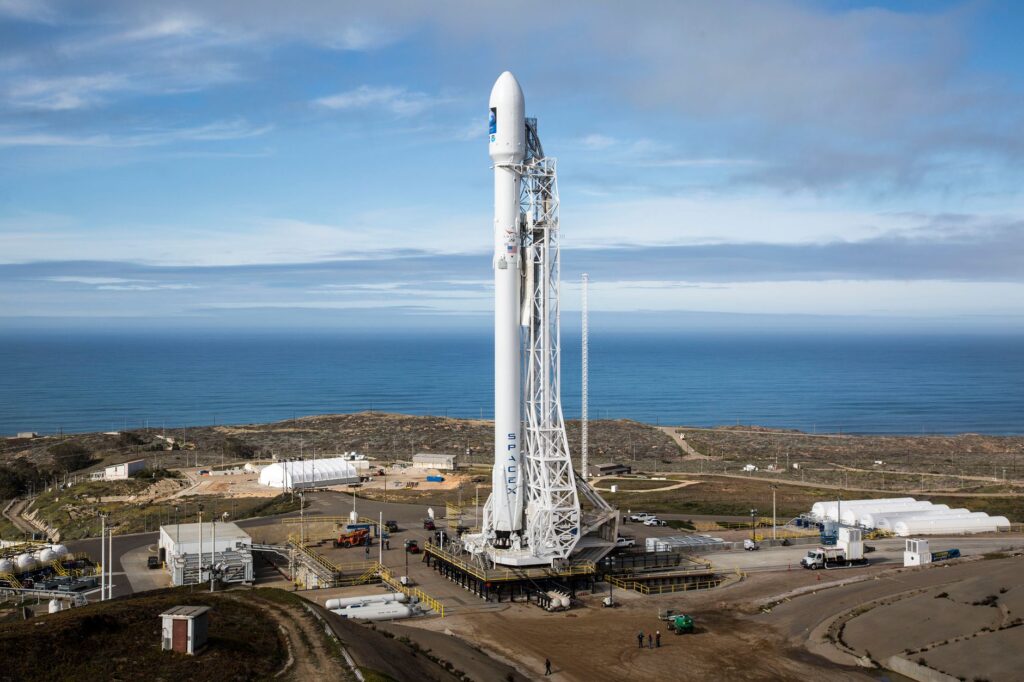
The SpaceX USSF-432 mission successfully launched from California, marking a significant achievement for both SpaceX and the U.S. Space Force. This mission illustrates the advancements in space technology and operational capabilities.
Overview of the SpaceX USSF-432 Mission
The SpaceX USSF-432 mission marked a significant milestone in the realm of space exploration and military operations. Launched from California, this mission aimed to enhance the capabilities of the United States Space Force, demonstrating the growing partnership between commercial spaceflight and national defense.
During the launch, the Falcon 9 rocket successfully lifted off, delivering vital payloads into orbit. This particular mission was notable not just for its payload but also for the precision landing of the first stage booster, showcasing SpaceX’s commitment to reusability and cost efficiency.
The primary objectives of the USSF-432 mission included:
- Deployment of advanced satellite technology: Enhancing communication and surveillance capabilities.
- Collaboration with military entities: Strengthening the relationship between private aerospace companies and government agencies.
- Testing new systems: Evaluating next-generation technologies for future missions.
As the SpaceX USSF-432 mission successfully concluded, it underscored the importance of ongoing innovations in space technology, paving the way for future endeavors in both commercial and defense sectors.
Key Objectives of the USSF-432
The SpaceX USSF-432 mission has been designed with several key objectives that aim to enhance the capabilities of the United States Space Force. These objectives focus on various aspects of national security and technological advancement.
- Deployment of Advanced Satellites: One of the primary goals is to deploy cutting-edge satellites that will improve communication and surveillance for military operations.
- Enhancing Space Situational Awareness: The mission aims to contribute to a greater understanding of space activities, allowing for better monitoring of potential threats.
- Testing New Technologies: The USSF-432 mission will test innovative technologies that may be incorporated into future defense systems.
- Collaboration with Commercial Partners: This mission emphasizes the importance of partnerships with private companies to accelerate developments in the space industry.
By achieving these objectives, the SpaceX USSF-432 mission not only strengthens national defense but also paves the way for future innovations in space exploration and satellite technology.
The Launch Process Explained
The launch process for the SpaceX USSF-432 mission is a meticulously planned sequence that showcases the company’s expertise in space operations. Each launch begins with extensive preparations, including vehicle assembly, system checks, and final inspections to ensure all components are functioning optimally.
On the day of the launch, the Falcon 9 rocket is transported to the launch pad, where it is secured in place. The countdown sequence begins, allowing the team to conduct final checks on the rocket and payload. As the countdown reaches critical milestones, the engines are ignited, and the rocket lifts off, marking the beginning of its journey into space.
During the ascent, the rocket experiences several stages, including booster separation and fairing jettison. Each of these steps is crucial for the successful deployment of the payload. For the USSF-432 mission, the satellite was designed to enhance the capabilities of the United States Space Force.
The culmination of the launch process is the successful landing of the first stage of the Falcon 9 on a drone ship, an achievement that underscores SpaceX’s commitment to reusability and sustainability in space exploration.
Successful Landing Details
The successful landing of the SpaceX USSF-432 mission marked a significant achievement for the aerospace company and the United States Space Force. Following a flawless launch from California, the Falcon 9 rocket completed its mission with precision, demonstrating the effectiveness of SpaceX’s reusable technology.
As the rocket descended back to Earth, it performed a series of calculated maneuvers, showcasing its advanced guidance systems. The landing occurred on the designated droneship stationed in the ocean, a critical element of SpaceX’s strategy to reduce costs and improve sustainability in space exploration.
Key details of the landing included:
- Timing: The rocket successfully touched down approximately nine minutes after liftoff.
- Location: The landing zone was offshore, aimed at minimizing risks to populated areas.
- Condition: The Falcon 9 rocket landed upright and intact, ready for refurbishment and reuse.
This successful landing not only highlights the capabilities of SpaceX but also reinforces the ongoing partnership between commercial space endeavors and national defense objectives. The USSF-432 mission is a testament to the innovative spirit driving advancements in aerospace technology.
Impact on Space Force Operations
The successful launch of the SpaceX USSF-432 mission marks a significant advancement for the United States Space Force, enhancing its operational capabilities in various critical areas. This mission not only demonstrates the effectiveness of SpaceX’s launch technology but also reinforces the Space Force’s commitment to maintaining a robust presence in space.
One of the primary impacts of the USSF-432 mission is its contribution to satellite communications, which are vital for military operations. By deploying advanced satellites, the Space Force can improve real-time data transmission and ensure secure communications across the globe.
Moreover, the mission is set to enhance surveillance capabilities, allowing for better monitoring of potential threats and developments in space. This increased situational awareness is crucial for national security and defense strategies.
As the Space Force continues to evolve, the integration of innovative launch solutions like those provided by SpaceX will play a pivotal role in its operational success. The USSF-432 mission exemplifies the strategic partnership between commercial space enterprises and military objectives, paving the way for future collaborations that will further enhance U.S. capabilities in space.
Future SpaceX Missions Planned
As the excitement from the recent SpaceX USSF-432 mission continues to reverberate, the company is already looking ahead to its next ventures in space. SpaceX has a robust schedule lined up, showcasing its commitment to expanding access to space and supporting various governmental and commercial initiatives.
- Starlink Launches: With the aim of enhancing global internet connectivity, SpaceX plans to deploy additional Starlink satellites to increase coverage and bandwidth.
- NASA Missions: Collaborations with NASA will continue, including resupply missions to the International Space Station and crewed flights under the Artemis program.
- Commercial Launches: A series of commercial payload launches are set to support satellite companies and research institutions aiming to benefit from orbital operations.
- Defense Contracts: Following the success of the SpaceX USSF-432 mission, the company expects to secure more contracts with the U.S. Department of Defense, reinforcing national security through advanced satellite technology.
These upcoming missions highlight SpaceX’s significant role in shaping the future of space exploration and satellite deployment, ensuring continued advancements in both commercial and defense sectors.
Technological Innovations in the Mission
The SpaceX USSF-432 mission showcased several groundbreaking technological innovations that enhance both launch capabilities and operational efficiency. Key advancements included the integration of advanced propulsion systems and cutting-edge materials that improve rocket performance and reduce costs.
One of the standout features of the mission was the use of a new autonomous flight safety system, which allows for real-time monitoring and adjustments during flight. This ensures the safety of the vehicle and payload while significantly reducing the need for ground-based support.
Additionally, the USSF-432 mission utilized enhanced telemetry systems that provided unprecedented data during the launch. These systems enabled engineers to analyze performance metrics in real-time, leading to immediate feedback loops that can inform future designs and missions.
Moreover, the deployment of reusable rocket technology has proven to be a game-changer. By successfully landing the Falcon 9 booster post-launch, SpaceX demonstrated its commitment to sustainability and cost-effectiveness in space operations. This approach not only benefits SpaceX but also aligns with the U.S. Space Force’s objectives for long-term mission readiness and resource management.
As the SpaceX USSF-432 mission paves the way for future initiatives, these technological strides are set to redefine space exploration and military operations.
Public Reception and Media Coverage
The public reception of the SpaceX USSF-432 mission has been overwhelmingly positive, with many praising the impressive launch and landing sequences that showcased SpaceX’s capabilities. Enthusiasts and casual observers alike gathered around screens and launch sites to witness the event, which marked a significant milestone in the collaboration between SpaceX and the United States Space Force.
Media coverage has extensively highlighted the mission’s importance, with various outlets providing live updates and in-depth analyses. Reports emphasized how the USSF-432 mission not only demonstrates technological advancements but also reinforces national security objectives. The integration of advanced payloads into this mission has sparked discussions about the future of military operations in space.
- Live Broadcasts: Major networks aired the launch live, capturing the excitement of viewers worldwide.
- Expert Commentary: Analysts provided insights into the mission’s implications for future space endeavors.
- Social Media Buzz: Hashtags related to the SpaceX USSF-432 mission trended, showcasing widespread public interest.
As the mission continues to be a topic of discussion, it is evident that SpaceX has made a lasting impact on both the aerospace industry and public perception of space exploration.
Photo by SpaceX on Pexels


1 thought on “SpaceX USSF-432 Mission: The Best Launch Experience Revealed”