Apollo 4 Saturn V: The Best Proven Milestone in Space Travel
Apollo 4 Saturn V marks a significant milestone in space exploration, showcasing NASA’s advancements in rocket technology.
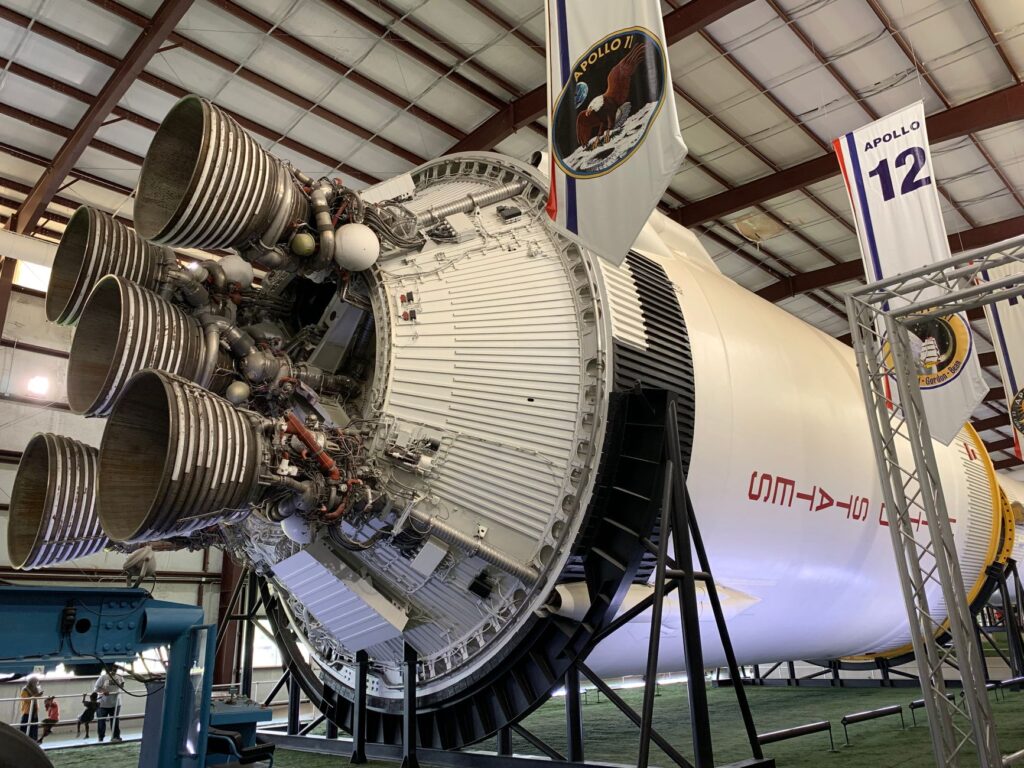
Apollo 4 Saturn V was a groundbreaking mission that demonstrated NASA’s capabilities in space exploration. Launched in 1967, it paved the way for future lunar missions.
The Significance of Apollo 4
The launch of Apollo 4 marked a pivotal moment in the history of space exploration, showcasing the capabilities of the Saturn V rocket. This mission, which took place in 1967, was not just a test flight; it was a demonstration of the engineering prowess and ambition of NASA during the space race era.
One of the key significances of Apollo 4 lies in its role as the first uncrewed flight of the Saturn V, the largest and most powerful rocket ever built. This monumental launch validated the rocket’s design and functionality, paving the way for future crewed missions to the Moon and beyond.
During its flight, Apollo 4 achieved several critical objectives:
- Testing the Launch Vehicle: The Saturn V successfully lifted off from Kennedy Space Center, showcasing its massive power and reliability.
- Simulating a Lunar Mission: The mission provided invaluable data on the rocket’s performance during various phases of flight, including launch, ascent, and re-entry.
- Design Validation: Engineers used the results from Apollo 4 to address potential issues and improve the spacecraft for future missions.
In summary, Apollo 4 stands as a testament to human ingenuity and ambition, solidifying the Saturn V’s reputation as a cornerstone of space travel.
Key Features of the Saturn V Rocket
The Saturn V rocket, which was instrumental in the Apollo 4 mission, showcases several key features that contributed to its reputation as a groundbreaking achievement in space travel.
- Three-Stage Design: The Saturn V employs a powerful three-stage design, allowing it to propel payloads into orbit effectively. Each stage is optimized for specific phases of the flight, maximizing efficiency and performance.
- Massive Thrust: With a total thrust of 7.5 million pounds, the Saturn V is renowned for being one of the most powerful rockets ever built. This immense power was crucial for escaping Earth’s gravitational pull during the Apollo 4 mission.
- Advanced Propulsion System: The rocket utilizes a combination of liquid oxygen and kerosene, along with liquid hydrogen and oxygen in the upper stages. This advanced propulsion system ensures high performance and reliability.
- Payload Capacity: Capable of lifting over 310,000 pounds to low Earth orbit, the Saturn V provided the necessary capacity to carry the Apollo spacecraft and other payloads into space.
- Innovative Technology: The Saturn V incorporated cutting-edge technology for its time, including computer systems for guidance and control, making it a hallmark of engineering excellence.
Overall, the Saturn V rocket remains an iconic symbol of the achievements of the Apollo program, particularly highlighted by the Apollo 4 mission.
NASA’s Vision for Future Missions
NASA’s vision for future missions has been significantly shaped by the success of the Apollo 4 Saturn V mission. This historic launch not only marked the first flight of the Saturn V rocket but also paved the way for subsequent missions to the Moon and beyond.
As NASA looks to the future, several key objectives are at the forefront of their plans:
- Establishing a Sustainable Lunar Presence: With the Artemis program, NASA aims to return humans to the Moon by 2024 and establish a sustainable presence by the end of the decade. This includes utilizing lessons learned from the Apollo 4 Saturn V mission to enhance safety and efficiency.
- Preparing for Mars Exploration: The agency is also focusing on preparing for crewed missions to Mars. The advancements in rocket technology demonstrated during Apollo 4 can serve as a foundation for the development of spacecraft capable of deep-space travel.
- International Collaboration: Future missions involve partnerships with other nations and private companies, fostering a collaborative approach to space exploration inspired by the achievements of the Apollo program.
Overall, the legacy of Apollo 4 and the Saturn V rocket continues to influence NASA’s ambitious plans, ensuring that the spirit of exploration remains alive in the pursuit of new frontiers.
Apollo 4’s Impact on Space Exploration
Apollo 4’s impact on space exploration cannot be overstated. As the first flight of the Saturn V rocket, it represented a monumental leap in technology and ambition for NASA. This uncrewed mission, launched on November 9, 1967, demonstrated the capabilities of the Saturn V and provided critical data necessary for future crewed missions to the Moon.
The success of Apollo 4 validated the engineering and design of the Saturn V, allowing NASA to confidently proceed with subsequent missions. The rocket’s ability to deliver heavy payloads into orbit opened new possibilities for space exploration, including crewed lunar landings and interplanetary missions. Apollo 4 also conducted extensive testing of the spacecraft’s systems, including the Lunar Module and the Command Module, ensuring that they would function effectively in the harsh environment of space.
Furthermore, the mission showcased the potential for large-scale collaboration among engineers, scientists, and contractors, setting a precedent for future projects. The technical achievements of Apollo 4 paved the way for the successful Apollo 11 mission, where humans first set foot on the Moon. As a result, the legacy of Apollo 4 and the Saturn V rocket continues to inspire current and future endeavors in space exploration.
- Launch Date: November 9, 1967
- Mission Type: Uncrewed test flight
- Key Outcomes: Validation of Saturn V capabilities
The Apollo 4 Saturn V mission demonstrated the rocket’s incredible power and reliability, paving the way for future lunar exploration. With its successful launch and performance, the Apollo 4 Saturn V became a benchmark for subsequent space missions.
Photo by Javier Mendoza on Pexels




1 thought on “Apollo 4 Saturn V: The Best Proven Milestone in Space Travel”