Satellite Rescue Missions: The Smart Solution for Space Challenges
Satellite rescue missions are becoming a smart solution for space challenges and safety.
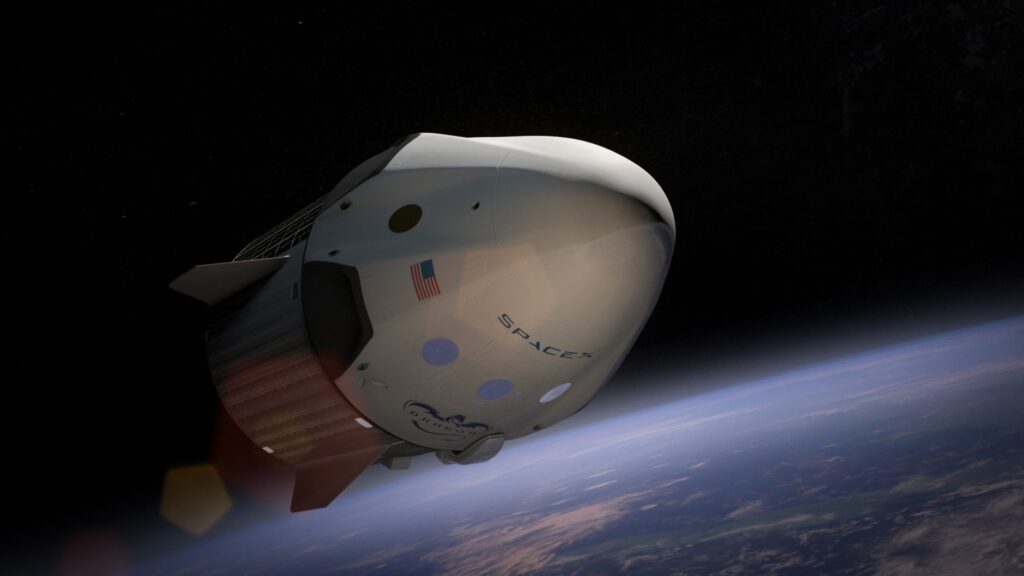
Satellite rescue missions are gaining attention as a vital strategy in space exploration. An Artificial CORTEX is being developed to guide these missions effectively.
Understanding Satellite Rescue Missions
Satellite rescue missions have emerged as a critical solution to address the growing challenges in space. These missions aim to retrieve or repair malfunctioning satellites, extending their operational life and maximizing investment. With the increasing number of satellites in orbit, the need for effective recovery strategies is more important than ever.
One significant advancement in this field is the development of artificial intelligence systems, such as an Artificial CORTEX, designed to enhance the decision-making processes during rescue operations. These systems can analyze vast amounts of data, identify problems, and suggest optimal solutions in real-time.
- Cost-Effectiveness: Rescue missions can save billions by avoiding the need for new launches.
- Technological Innovation: Enhancements in AI contribute to more efficient operational strategies.
- International Collaboration: Many countries are joining forces to tackle satellite challenges together.
Overall, satellite rescue missions represent a smart, innovative response to the complexities of modern space exploration.
The Role of Artificial Intelligence
Artificial Intelligence (AI) plays a pivotal role in enhancing the efficiency and effectiveness of satellite rescue missions. By leveraging advanced algorithms and machine learning, AI systems can analyze vast amounts of data collected from satellites and their environments. This capability allows for real-time decision-making and optimal resource allocation during critical operations.
One of the key advantages of AI in this context is its ability to predict potential failures and identify the best strategies for intervention. With AI-driven tools, mission planners can:
- Monitor satellite health: Continuous assessment of satellite systems helps in early detection of anomalies.
- Optimize trajectories: AI can calculate the most efficient paths for rescue operations.
- Enhance communication: Improved algorithms ensure reliable data transmission between satellites and ground stations.
In summary, integrating AI into satellite rescue missions not only streamlines operations but also significantly increases the chances of successful recoveries.
Challenges in Space Rescue Operations
Space rescue operations are fraught with numerous challenges that can complicate satellite rescue missions. The vastness of space presents significant logistical hurdles, including communication delays and the difficulty of accurately locating malfunctioning satellites.
Additionally, the harsh environment of space can pose risks to both the rescue equipment and the personnel involved in the operation. Some of the key challenges include:
- Orbital Debris: The increasing amount of debris in orbit can hinder rescue attempts and damage spacecraft.
- Technical Limitations: Current technology may not always support effective repairs or interventions on disabled satellites.
- Cost Factors: High operational costs can limit the frequency and feasibility of rescue missions.
- Regulatory Issues: International laws and agreements complicate the coordination of rescue efforts.
Overcoming these obstacles is essential to ensure the success of future satellite rescue missions.
Recent Advances in Space Technology
Recent advances in space technology have significantly enhanced the capabilities of satellite rescue missions. Innovations in autonomous systems and artificial intelligence have made it possible for satellites to communicate in real-time with ground control, allowing for more effective decision-making during critical operations.
One of the most groundbreaking developments is the integration of advanced robotics and machine learning algorithms, which enable satellites to perform complex maneuvers without human intervention. This technology not only minimizes risks but also optimizes the efficiency of rescue missions.
Moreover, the development of improved propulsion systems has extended the operational lifespan of satellites, making them more reliable during rescue operations. As space debris continues to pose a significant threat, these advancements are crucial for ensuring the safety and longevity of satellite missions.
Overall, the ongoing evolution of space technology promises to enhance the success rate of satellite rescue missions, providing innovative solutions to modern challenges in space exploration.
How CORTEX Enhances Mission Success
The integration of CORTEX technology significantly enhances the success of satellite rescue missions. By employing advanced algorithms and real-time data analysis, CORTEX optimizes decision-making processes during critical operations. This artificial intelligence system is designed to assess various factors, including satellite position, fuel levels, and potential collision risks, ensuring that rescue missions are executed with precision.
Furthermore, CORTEX facilitates seamless communication between ground control and rescue teams in space. This capability allows for quick adaptations to unexpected challenges, such as equipment malfunctions or changes in mission parameters. Additionally, the system’s predictive analytics contribute to enhanced planning, enabling teams to identify the most efficient rescue trajectories and methods.
Ultimately, the implementation of CORTEX not only increases the likelihood of successful satellite recovery but also reduces the risks associated with space operations. As satellite rescue missions become more prevalent, incorporating such innovative technology is crucial for future endeavors in space exploration.
Future of Satellite Recovery
The future of satellite recovery looks promising as innovations in technology and artificial intelligence continue to evolve. Satellite rescue missions are becoming increasingly vital in addressing the growing issue of space debris and malfunctioning satellites. The integration of advanced systems, such as CORTEX, enables more efficient tracking and recovery of defunct satellites, minimizing risks to operational spacecraft.
Experts predict that as the demand for satellite services rises, so will the necessity for effective recovery solutions. This will lead to the development of specialized rescue vehicles designed to capture and deorbit non-functional satellites safely.
Furthermore, international collaboration among space agencies and private companies is expected to play a crucial role in enhancing satellite rescue missions. By sharing resources and expertise, these entities can establish robust strategies for tackling the challenges posed by aging satellites and orbital debris, ensuring a sustainable future for space exploration.
The Importance of Space Safety
As humanity increasingly relies on satellites for communication, navigation, and weather forecasting, the importance of space safety cannot be overstated. Satellite rescue missions play a crucial role in safeguarding these invaluable assets and ensuring the sustainability of space activities.
With the growing number of satellites in orbit, the risk of collisions and malfunctions has escalated. In this context, proactive measures must be taken to mitigate potential threats. Efficient satellite rescue missions are essential not only for preserving existing technology but also for enhancing overall space security.
Moreover, the implications of satellite failures extend beyond operational disruptions; they can also have significant economic repercussions. Therefore, investing in innovative solutions for satellite recovery is vital. This commitment to safety and recovery underscores a broader responsibility to protect our shared orbital environment for future generations.
Ultimately, the advancement of satellite rescue missions reflects our dedication to maintaining a safe and sustainable space ecosystem.
Expert Opinions on AI in Space
Experts in the field of aerospace engineering and artificial intelligence have shared their insights on the growing significance of satellite rescue missions in modern space exploration. According to Dr. Emily Santos, a leading researcher at the Space Innovation Institute, “The integration of AI systems can drastically improve the efficiency and success rate of rescue operations.” She emphasizes that these smart technologies can analyze vast datasets in real time, allowing for quicker decision-making during critical missions.
In addition, Professor Mark Jensen from the Global Space Research Center highlights the potential for AI to predict satellite failures before they occur. “This proactive approach enables us to deploy rescue missions more effectively, minimizing risks and costs,” he states.
Overall, the consensus among experts is that the fusion of artificial intelligence and satellite rescue missions not only enhances operational capabilities but also ensures the sustainability of space activities in the ever-evolving landscape of space exploration.
Photo by SpaceX on Pexels






1 thought on “Satellite Rescue Missions: The Smart Solution for Space Challenges”