Are Light Sails from CubeSats the Best Way to Explore Space?
Light sails from CubeSats are revolutionizing space exploration with free-flying technology. Discover their potential and impact!

Light sails from CubeSats are making headlines as student-led missions deploy innovative technology in low Earth orbit. This exciting development showcases the future of space exploration.
What Are Light Sails?
Light sails are innovative propulsion systems that harness the power of sunlight to propel spacecraft. Unlike traditional rockets, which rely on fuel combustion, light sails utilize the momentum of photons emitted by the sun. This technology has gained attention recently, especially with student-led missions deploying free-flying light sails from CubeSats in low Earth orbit.
These lightweight, reflective surfaces convert solar radiation into thrust, enabling CubeSats to achieve remarkable speeds without the need for onboard fuel. The concept of light sails has been around for decades, but advancements in materials and technology have made them more viable for space exploration.
Some key benefits of utilizing light sails from CubeSats include:
- Sustainability: No fuel required for long-duration missions.
- Cost-effectiveness: Lower overall mission costs.
- Efficiency: Continuous acceleration over time.
How CubeSats Are Used in Space
CubeSats, small and cost-effective satellites, have revolutionized space exploration by enabling innovative missions that were once deemed too expensive or complex. These miniature spacecraft typically weigh less than 1.33 kilograms and can be launched in groups, allowing for efficient use of resources and time.
One of the most exciting developments in CubeSat technology is the deployment of light sails. These light sails from CubeSats harness solar radiation pressure to propel themselves through space, offering a unique method to explore beyond our planet.
Student-led missions have successfully demonstrated the potential of light sails by deploying them in low Earth orbit. This approach not only provides hands-on experience for students but also paves the way for future applications in interstellar travel, where light sails could significantly reduce travel time to distant celestial bodies.
Benefits of Student-led Missions
Student-led missions utilizing light sails from CubeSats offer numerous benefits for space exploration. These innovative projects not only foster hands-on learning for aspiring scientists and engineers but also promote collaboration among universities and research institutions.
Additionally, the use of CubeSats in deploying light sails significantly reduces the cost and complexity associated with traditional space missions. This democratization of space technology allows students to experiment with cutting-edge concepts, paving the way for future advancements. Key advantages of these missions include:
- Rapid prototyping: Students can quickly design, build, and test their ideas in a real space environment.
- Increased accessibility: More institutions can participate in space research, leading to diverse perspectives.
- Real-world experience: Students gain invaluable experience that enhances their career prospects in the aerospace industry.
Overall, student-led missions utilizing light sails from CubeSats represent a significant step forward in space exploration.
The Future of Space Exploration
The future of space exploration is increasingly being shaped by innovative technologies, and light sails from CubeSats stand out as a promising solution. These small satellites, equipped with large, reflective sails, harness solar radiation pressure to propel themselves through space, offering a new method for interplanetary travel.
As student-led missions pioneer the deployment of free-flying light sails in low Earth orbit, the potential for deeper space exploration becomes more tangible. The use of CubeSats not only reduces the cost of missions but also fosters educational opportunities for aspiring scientists and engineers.
With advancements in materials and engineering, light sails from CubeSats may soon enable missions that extend beyond our solar system. This approach could revolutionize how we explore distant worlds, making the dream of interstellar travel a reality while inspiring the next generation of space explorers.
Challenges in Deploying Light Sails
The deployment of light sails from CubeSats presents several challenges that researchers must overcome to ensure successful missions. One major obstacle is the precision required in the initial deployment phase. If the light sails are not unfurled correctly, they may not capture solar radiation effectively.
Another significant challenge is the durability of the materials used. Light sails must withstand harsh conditions in space, including extreme temperatures and radiation exposure. Additionally, the technology for controlling the direction and speed of these sails is still in development, which could limit their maneuverability.
Finally, funding and resources for such innovative projects can be scarce, particularly for student-led missions. Despite these hurdles, the potential of light sails from CubeSats to revolutionize space exploration remains an exciting prospect for researchers and students alike.
Recent Developments in CubeSat Technology
Recent advancements in CubeSat technology have opened new avenues for space exploration, particularly through the deployment of light sails from CubeSats. These miniature satellites are becoming increasingly sophisticated, allowing for innovative mission designs that were previously unattainable.
One notable development is the successful deployment of free-flying light sails from CubeSats in low Earth orbit. This breakthrough demonstrates the potential of combining small satellite technology with propulsion systems that harness solar radiation.
Key aspects of these recent developments include:
- Enhanced Communication: Improved systems for data transmission ensure better interaction with ground stations.
- Modular Design: CubeSats can be easily modified for various missions, allowing for greater flexibility.
- Collaboration with Universities: Student-led missions are driving innovation and research in CubeSat technology.
Overall, the integration of light sails from CubeSats represents a promising step forward in the quest for deeper space exploration.
The Impact of Light Sails on Space Research
The deployment of light sails from CubeSats represents a significant advancement in space research. These innovative technologies enable small spacecraft to harness solar radiation for propulsion, allowing for efficient travel across vast distances. As CubeSats become more prevalent in space missions, the use of light sails opens new avenues for exploration and data collection.
Student-led missions, in particular, showcase the potential of light sails from CubeSats to democratize access to space research. By empowering young scientists and engineers to design and implement these projects, we see a surge in creativity and problem-solving approaches that can lead to groundbreaking discoveries. The ability to test light sail technology in low Earth orbit is a game-changer, providing real-world data that can inform future missions.
- Enhanced propulsion methods
- Cost-effective exploration
- Increased participation in space science
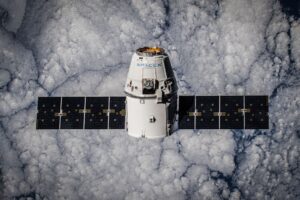
Photo by Brady Knoll on Pexels
Where this came from
You might also like
NVS-03 launch: The Best Proven Mission by ISRO · One UI 9.0 beta: Samsung’s Clear Update for Galaxy A55 · OnePlus 16 specifications: Best features and proven performance




2 thoughts on “Are Light Sails from CubeSats the Best Way to Explore Space?”