Artemis II Mission: Proven Contributions Boost Success
Artemis II mission highlights the proven contributions of the aerospace team.
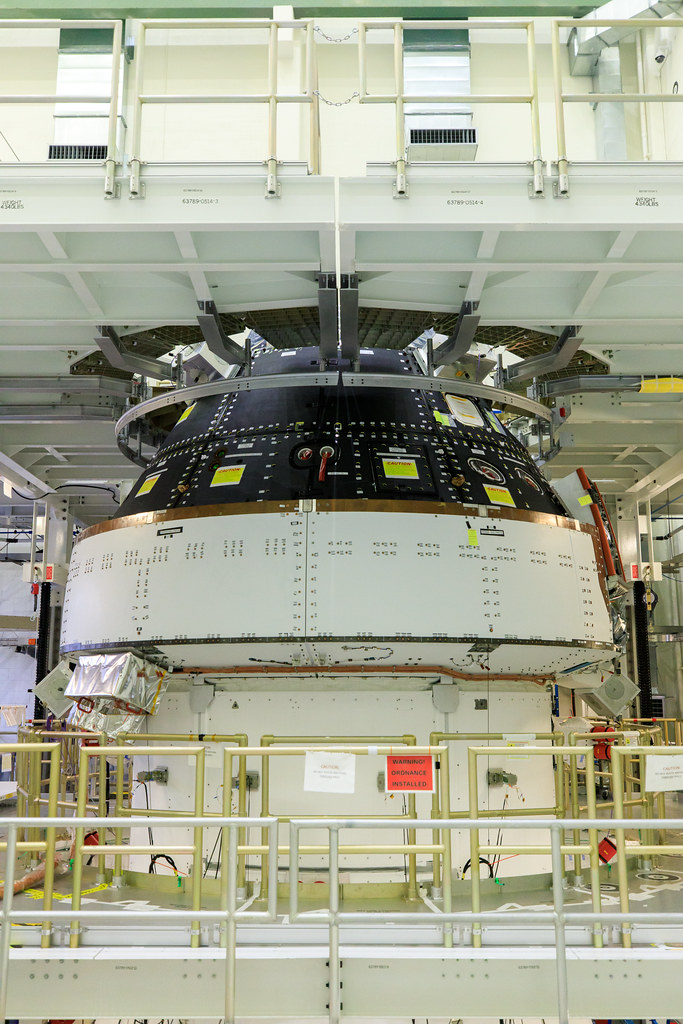
The Artemis II mission showcases the critical contributions of the aerospace team, highlighting their role in ensuring mission success. This recognition underscores the importance of teamwork and innovation in space exploration.
Overview of the Artemis II Mission
The Artemis II mission represents a significant milestone in NASA’s efforts to return humans to the Moon and establish a sustainable presence there. Scheduled for launch in 2024, this mission will be the first crewed flight of the Orion spacecraft, marking a crucial step in the Artemis program’s broader goals.
The primary objectives of the Artemis II mission include:
- Testing the performance and capabilities of the Orion spacecraft in a crewed environment.
- Conducting a flyby of the Moon, allowing astronauts to experience lunar orbit and assess the spacecraft’s systems.
- Gathering valuable data that will inform future missions aimed at establishing a long-term human presence on the lunar surface.
In preparation for this mission, an extensive team of aerospace professionals has made proven contributions, ensuring that all systems are thoroughly tested and ready for the challenges of space travel. Their dedication and expertise have been recognized as critical to the success of the Artemis II mission.
As part of the Artemis program, the upcoming mission not only aims to enhance scientific understanding of the Moon but also seeks to inspire a new generation of explorers and innovators. The successful execution of Artemis II will pave the way for future explorations, including potential missions to Mars.
Key Contributions of the Aerospace Team
The Artemis II mission, which aims to return humans to the Moon, has garnered attention not only for its ambitious goals but also for the critical contributions made by the aerospace team involved. Their innovative approaches and extensive expertise have significantly enhanced the mission’s success potential.
Several key contributions have been highlighted:
- Advanced Propulsion Systems: The aerospace team developed state-of-the-art propulsion systems that improve fuel efficiency and ensure optimal performance during critical mission phases.
- Robust Safety Protocols: Implementing rigorous safety protocols has been a priority, ensuring that all team members adhere to the highest standards of safety during the mission’s preparation and execution.
- Real-time Data Analysis: The team has established real-time data analysis capabilities, allowing for immediate adjustments and decision-making based on live mission parameters.
- Collaboration with International Partners: By fostering collaboration with international space agencies, the aerospace team has broadened the scope of expertise and resources available for the Artemis II mission.
- Innovative Training Programs: Comprehensive training programs have been created to prepare astronauts and ground support staff for the unique challenges of lunar exploration.
These contributions underscore the importance of teamwork and innovation in making the Artemis II mission a landmark event in space exploration history.
Importance of Teamwork in Space Missions
The success of the Artemis II mission hinges significantly on the collaborative efforts of the aerospace team, whose teamwork has proven essential in overcoming the complex challenges of space exploration. Each member of the team plays a vital role, contributing their unique skills and expertise to ensure the mission’s objectives are met.
Effective communication and collaboration are at the core of this teamwork. Regular briefings and workshops foster a culture of shared knowledge, allowing team members to stay updated on the latest developments and challenges. Such an environment encourages innovative solutions, crucial for the Artemis II mission.
Moreover, the aerospace team emphasizes the importance of cross-disciplinary collaboration. Engineers, scientists, and technicians work alongside one another, ensuring that every aspect of the mission is thoroughly understood and optimized. This synergy not only enhances problem-solving but also builds a sense of camaraderie and mutual respect.
The extensive coordination efforts have also extended to partnerships with various organizations and agencies, further amplifying the impact of teamwork. By pooling resources and expertise, the team is better prepared to address unforeseen challenges during the Artemis II mission.
In conclusion, the success of the Artemis II mission is a testament to the power of teamwork in space exploration. As the mission approaches, the collaborative spirit will undoubtedly continue to drive progress and innovation.
Technological Innovations in Artemis II
The Artemis II mission represents a significant leap forward in space exploration, thanks to a series of technological innovations that enhance its capabilities and safety. These advancements are a testament to the hard work and ingenuity of the aerospace team involved in the project.
One of the most notable innovations includes the development of advanced propulsion systems, which allow for more efficient travel beyond Earth’s orbit. This technology not only reduces fuel consumption but also increases the mission’s overall range and flexibility.
Additionally, the Artemis II mission has incorporated cutting-edge life support systems, designed to ensure the well-being of astronauts during extended missions. These systems are equipped with enhanced filtration and recycling capabilities, making them crucial for sustaining life in the harsh environment of space.
Moreover, improvements in communication technology have streamlined the flow of information between the crew and mission control. This ensures that any potential issues can be addressed in real time, significantly increasing the mission’s safety and success rate.
Other innovations include enhanced spacecraft materials that offer improved durability and resistance to the extreme conditions of space travel. Together, these technological advancements not only bolster the Artemis II mission’s objectives but also pave the way for future exploration endeavors, reaffirming humanity’s commitment to exploring the cosmos.
Challenges Faced During the Mission
The Artemis II mission, heralded as a significant step towards lunar exploration, faced various challenges that tested the resilience and adaptability of the aerospace team. Despite the rigorous planning and cutting-edge technology, the mission encountered several obstacles that required immediate attention and innovative solutions.
Among the primary challenges were:
- Technical Glitches: Unexpected malfunctions in key systems necessitated rapid troubleshooting, ensuring that the mission could proceed as scheduled.
- Environmental Factors: Unpredictable weather conditions posed risks to launch timelines, prompting the team to develop contingency plans to adapt to shifting scenarios.
- Resource Constraints: Tight budgets and resource limitations required the team to prioritize certain mission elements without compromising safety or objectives.
- Inter-agency Coordination: Collaborating with various international and national agencies presented challenges in communication and logistics, essential for maintaining project momentum.
Each of these obstacles highlighted the importance of teamwork and flexibility. The team’s ability to address these issues not only contributed to the success of the Artemis II mission but also laid the groundwork for future lunar expeditions. By navigating these challenges, the aerospace team demonstrated their commitment to advancing human exploration beyond Earth, reinforcing the mission’s significance in the broader context of space exploration.
Future of Space Exploration
The Artemis II mission marks a significant milestone in humanity’s journey to explore deep space, paving the way for future endeavors beyond our planet. This mission not only aims to return humans to the Moon but also serves as a stepping stone for future missions to Mars and beyond. The lessons learned from Artemis II will provide crucial insights that can be applied to upcoming space exploration projects.
As we look to the future, several factors will play a pivotal role in shaping the next era of space exploration:
- International Collaboration: The Artemis II mission exemplifies how global partnerships are essential. Collaborations between countries and agencies can enhance technological capabilities and share costs, leading to more ambitious missions.
- Technological Advancements: Innovations developed during the Artemis II mission will likely influence next-generation spacecraft. These advancements can improve safety, efficiency, and sustainability in space travel.
- Public Engagement: The excitement surrounding Artemis II has captured the public imagination. Engaging with communities and inspiring the next generation of scientists and engineers is vital for the continued progress in space exploration.
- Long-term Vision: The mission sets the groundwork for sustained human presence on the Moon and future exploration of Mars, ultimately contributing to our understanding of the universe.
In summary, the Artemis II mission is not just about reaching the Moon; it is about laying the foundation for a future filled with possibilities in space exploration.
Recognition of Aerospace Achievements
The Artemis II mission has not only marked a significant milestone in space exploration but has also highlighted the remarkable achievements of the aerospace team involved. Recently, several key contributors were publicly recognized for their vital roles in ensuring the mission’s success.
Among the honorees were engineers, scientists, and support staff who collaborated tirelessly to push the boundaries of space technology. Their combined efforts have paved the way for a new era of lunar exploration. Notably, the team’s commitment to safety, efficiency, and innovation has set a high standard for future missions.
Key achievements recognized include:
- Development of advanced propulsion systems that improve spacecraft efficiency.
- Innovative design modifications that enhance crew safety during launch and re-entry.
- Breakthroughs in communication technology that ensure seamless interaction between mission control and astronauts.
As the aerospace community celebrates these accomplishments, the Artemis II mission serves as a testament to what can be achieved through teamwork and dedication. The acknowledgment of these professionals not only honors their past work but also inspires a new generation of aerospace engineers and scientists to contribute to future endeavors in space exploration. Such recognition is crucial as it reinforces the importance of collaboration in achieving ambitious goals, including those set by the Artemis II mission.
Conclusion and Future Prospects
As the Artemis II mission marks a significant milestone in human space exploration, the collaboration and innovations demonstrated by the aerospace team have set a precedent for future endeavors. The successful execution of this mission not only enhances our understanding of lunar exploration but also lays the groundwork for subsequent missions, including a potential manned journey to Mars.
The accomplishments of the Artemis II mission highlight the importance of interdisciplinary teamwork and cutting-edge technology. By combining expertise from various fields, the team was able to tackle the challenges that arose during the mission, ensuring safety and efficiency in every phase of the operation. This commitment to excellence has been recognized on multiple platforms, showcasing the vital role that teamwork plays in achieving shared goals.
Looking ahead, the future of space exploration appears promising. With the lessons learned from Artemis II, agencies and organizations are better equipped to face the complexities of deep space missions. The focus on sustainable practices and innovative technologies will be crucial as humanity sets its sights on long-term habitation beyond Earth.
In summary, the Artemis II mission serves as a testament to the power of collaboration and innovation in aerospace. As we continue to explore the cosmos, the groundwork laid by this mission will undoubtedly influence the trajectory of future space exploration efforts.
By NASAKennedy via Openverse
Sources
The Aerospace Corporation · Artemis mission
You might also like
Xbox stock struggle: The honest truth about trade-ins · Mac-focused announcements: Best tips for Apple fans · watchOS 27.2 Release: The Best Proven Features to Explore