Is the China CERES-1 rocket the Best New Launch Option?
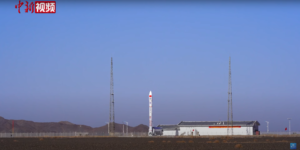
China CERES-1 rocket successfully launched a new satellite from the sea, showcasing advanced technology.
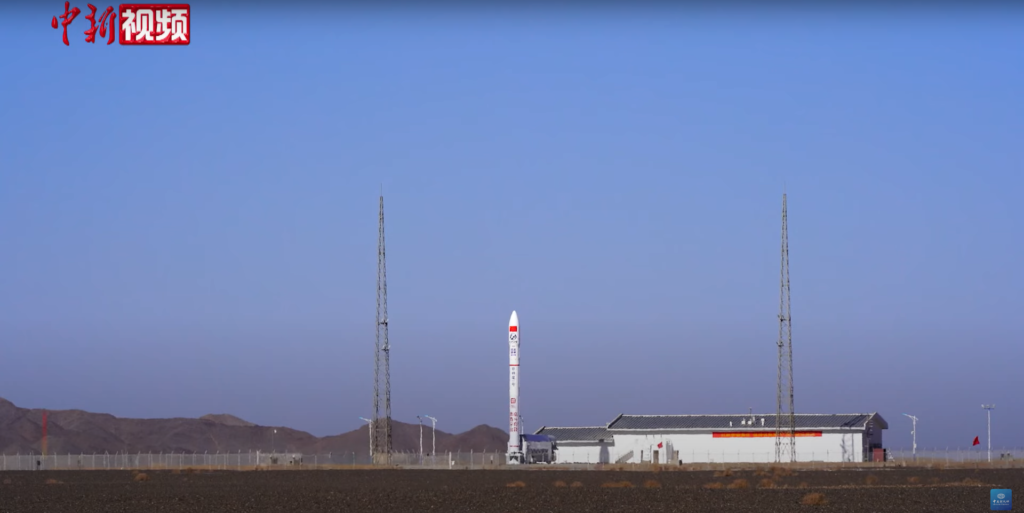
The China CERES-1 rocket has successfully launched a new satellite from the sea, marking a significant achievement in space exploration.
Overview of the CERES-1 Rocket
The CERES-1 rocket is a significant advancement in China’s space launch capabilities, designed to provide a versatile and cost-effective solution for satellite deployment. This innovative rocket is particularly noteworthy due to its unique launch method, which utilizes a sea-based platform, allowing for enhanced flexibility and reduced logistical challenges.
With a payload capacity of up to 300 kilograms to low Earth orbit, the CERES-1 is targeted at small satellite missions, catering to the increasing demand for such launches in both commercial and governmental sectors. The rocket’s design incorporates advanced technologies that improve reliability and efficiency, making it a competitive option in the global launch market.
Recent updates highlight the rocket’s successful launch of a new satellite, reinforcing its operational capabilities. Key features of the CERES-1 include:
- Innovative sea-launch platform
- Payload capacity of up to 300 kg
- Enhanced reliability and efficiency
- Focus on small satellite missions
As the space industry evolves, the CERES-1 rocket positions China as a formidable player, meeting the growing needs for satellite deployment and paving the way for future advancements in space exploration.
Significance of the Launch
The recent launch of the China CERES-1 rocket marks a significant advancement in the realm of satellite deployment and space exploration. This launch not only demonstrates China’s growing capabilities in space technology but also highlights the increasing importance of small satellite missions in today’s landscape.
One of the key significances of this launch is its potential to enhance China’s commercial space market. The CERES-1 is designed to cater to small payloads, making it an attractive option for various industries looking to send satellites into orbit at lower costs. This capability could lead to increased competition in the global launch services market.
Additionally, the success of the CERES-1 rocket could pave the way for future innovations in launch technology. As nations race to establish a foothold in space, the efficiency and reliability of vehicles like the CERES-1 become critical. The rocket’s ability to launch from the sea further expands operational flexibility, allowing for broader mission profiles.
In summary, the launch of the China CERES-1 rocket signifies not just a technological achievement but also a strategic move in the evolving dynamics of international space endeavors.
Technical Specifications of CERES-1
The CERES-1 rocket is designed with advanced technological features that enhance its performance and reliability. This small satellite launch vehicle, developed by China’s Galactic Energy, measures approximately 20 meters in height and has a diameter of 2.5 meters.
One of the most notable aspects of the CERES-1 is its payload capacity. It can carry up to 300 kilograms into low Earth orbit (LEO), making it suitable for a variety of satellite missions. The rocket employs a four-stage launch system, which includes:
- First Stage: Powered by four engines burning kerosene and liquid oxygen, this stage provides the initial thrust needed to escape the Earth’s atmosphere.
- Second Stage: This stage utilizes a single engine and is optimized for efficient performance in the upper atmosphere.
- Third Stage: A smaller engine that helps achieve the desired orbital insertion.
- Fourth Stage: Equipped with a precise propulsion system to deploy payloads accurately into orbit.
Moreover, the CERES-1 rocket features cutting-edge avionics and telemetry systems, ensuring high levels of accuracy and control during flight.
Previous Launches by China
China has made significant strides in its space ambitions, with the CERES-1 rocket being a notable addition to its roster of launch vehicles. Since its inaugural flight, the CERES-1 has successfully completed multiple launches, demonstrating reliability and precision in delivering payloads into orbit.
Here are some highlights from previous launches by China:
- First Launch: The CERES-1 made its debut on November 2020, successfully placing a small satellite into orbit, marking a milestone in China’s growing commercial space sector.
- Second Launch: In March 2021, the rocket completed its second mission, delivering a set of microsatellites, further showcasing its versatility.
- Third Launch: The most recent launch, conducted in October 2023, involved deploying a new satellite from a sea platform, emphasizing the adaptability of the CERES-1 rocket for various launch environments.
These successful missions highlight the potential of the CERES-1 as a competitive option in the global launch market, appealing to both domestic and international clients seeking reliable access to space.
Future Plans for Space Exploration
As China continues to enhance its capabilities in space exploration, the future plans involving the CERES-1 rocket are particularly promising. This innovative launch vehicle is designed to cater to the growing demand for satellite deployment, both domestically and internationally.
China’s ambitious space agenda includes several key objectives:
- Expanding Satellite Networks: The CERES-1 rocket is expected to play a crucial role in launching satellites that will improve communication and navigation systems, enhancing connectivity across the globe.
- Scientific Research: Future missions may involve deploying satellites that facilitate scientific research in fields such as climate monitoring, earth observation, and even space weather prediction.
- International Collaborations: By offering the CERES-1 as a reliable launch option, China aims to strengthen partnerships with other countries looking to access space more affordably and efficiently.
Moreover, as the demand for small satellite launches rises, the CERES-1 rocket is positioned to become a preferred choice among commercial and governmental organizations, potentially leading to an increase in launch frequency in the coming years. The evolution of the CERES-1 rocket will undoubtedly shape the future of space exploration.
International Reactions to the Launch
The recent launch of the China CERES-1 rocket has garnered significant international attention, prompting a range of reactions from various countries and space agencies. Observers noted the advancements represented by this new launch vehicle, which is designed to enhance China’s capabilities in satellite deployment.
Countries that have historically been competitors in space exploration expressed a mix of admiration and caution. Many experts believe that the successful launch reinforces China’s position as a dominant player in the global space race. NASA issued a statement highlighting the importance of international collaboration, suggesting that advances in space technology should benefit all countries.
Additionally, European space agencies have acknowledged the potential of the CERES-1 rocket to offer an alternative to existing launch options, indicating a possible shift in how satellite deployment may be approached in the future. There is speculation on whether partnerships could be formed, leveraging China’s technological advancements for broader international use.
Overall, the China CERES-1 rocket’s launch is seen as a pivotal moment, with many experts recommending a careful observation of China’s next steps in space exploration and how they will impact global dynamics.
Impact on Satellite Technology
The launch of the China CERES-1 rocket marks a significant advancement in satellite technology, particularly in terms of accessibility and efficiency. With its innovative design and capabilities, the CERES-1 is poised to influence how satellites are deployed and utilized in various sectors.
One of the main impacts of the CERES-1 rocket is its ability to deliver payloads with greater precision. This precision enhances the operational capabilities of satellites, allowing them to provide more accurate data for applications such as:
- Earth observation: Improved imaging and monitoring of environmental changes.
- Telecommunications: Enhanced satellite communication services for remote areas.
- Scientific research: More reliable satellite data for climate studies and space exploration.
Furthermore, the CERES-1’s cost-effective launch options are expected to lower barriers for smaller companies and organizations entering the satellite market. This democratization of access to space can lead to a surge in innovation, fostering new technologies and applications.
Overall, the China CERES-1 rocket not only represents a leap forward in launch capabilities but also promises to transform the landscape of satellite technology in the coming years.
Conclusion and Future Prospects
The recent successful launch of the China CERES-1 rocket marks a significant milestone in the country’s space endeavors. As the demand for affordable and efficient satellite deployment grows, the CERES-1 emerges as a compelling option for both domestic and international customers. With its innovative design and capabilities, it is positioned to make a notable impact in the burgeoning small satellite market.
In conclusion, the China CERES-1 rocket not only showcases China’s advancements in aerospace technology but also highlights its commitment to expanding its presence in the global space industry. The ability to launch from various locations, including sea platforms, offers enhanced flexibility and accessibility for satellite operators.
Looking forward, the future prospects for the CERES-1 appear promising. As more satellites are required for purposes ranging from telecommunications to Earth observation, the demand for reliable launch options is set to increase. Key considerations will include:
- Technological advancements: Continuous improvements in rocket design and efficiency.
- Market competition: The need to remain competitive against other global launch providers.
- International partnerships: Opportunities for collaboration with other nations on satellite projects.
Ultimately, the China CERES-1 rocket could redefine launch options for small satellites in the years to come.
The China CERES-1 rocket has been gaining attention for its innovative design and competitive pricing. Many experts argue that the China CERES-1 rocket could revolutionize the small satellite launch market.
By China News Service via Openverse

1 thought on “Is the China CERES-1 rocket the Best New Launch Option?”