Starship Moon Lander: Best Proven Design for 2027 Tests
Starship Moon Lander reveals a promising cabin design ahead of 2027 tests, showcasing advancements in lunar exploration.
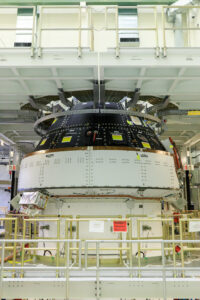
Starship Moon Lander is set to undergo significant tests in 2027, with NASA recently unveiling its innovative cabin design. This development marks a crucial step in lunar exploration efforts.
NASA’s Vision for Lunar Exploration
NASA is advancing its ambitions for lunar exploration with the unveiling of the Starship Moon Lander cabin, set to play a critical role in upcoming 2027 tests. This innovative design aims to facilitate human missions to the Moon, aligning with NASA’s broader vision of sustainable lunar exploration.
At the heart of NASA’s plan is the Starship Moon Lander, which is engineered to support a variety of scientific missions and technology demonstrations. The agency envisions this spacecraft as a key component in establishing a long-term human presence on the lunar surface. As NASA prepares for its Artemis program, the Starship Moon Lander is expected to offer:
- Enhanced Living Space: The cabin boasts a spacious environment for astronauts, ensuring comfort during their missions.
- Advanced Technology: Equipped with state-of-the-art systems, the lander will support a wide range of lunar activities.
- Adaptability: The design allows for modifications based on mission requirements and objectives.
Nasa’s commitment to pushing the boundaries of space exploration reflects its long-term goals of not only returning humans to the Moon but also paving the way for future exploration of Mars and beyond. The Starship Moon Lander represents a vital step towards realizing this ambitious vision.
Key Features of the Starship Moon Lander
The Starship Moon Lander has been designed with several key features that enhance its functionality and safety for lunar missions. As NASA prepares for the 2027 tests, these attributes stand out as crucial for successful exploration.
- Robust Structural Integrity: The Moon Lander is constructed from high-strength materials that can withstand the harsh conditions of the lunar environment.
- Advanced Propulsion System: Equipped with a powerful propulsion system, the Starship Moon Lander can execute precise landing maneuvers, ensuring a safe arrival on the lunar surface.
- Spacious Interior: The cabin design prioritizes crew comfort and functionality, offering ample space for astronauts to live and work during their missions.
- State-of-the-Art Life Support Systems: The Moon Lander incorporates advanced life support technologies that ensure the safety and well-being of the crew in a vacuum environment.
- Versatile Mission Capabilities: Designed for various mission profiles, the Starship Moon Lander is adaptable for both crewed and uncrewed operations, making it a valuable asset for future lunar exploration.
These features, combined with innovative technology and rigorous testing protocols, position the Starship Moon Lander as a leading candidate for NASA’s lunar exploration objectives. This design not only meets current needs but also anticipates future challenges in space travel.
Timeline for 2027 Testing
The timeline for the 2027 testing of the Starship Moon Lander is critical to NASA’s lunar exploration plans. As preparations ramp up, several key milestones are set to ensure the success of this ambitious project.
Initially, NASA will conduct a series of design reviews to finalize the specifications of the Starship Moon Lander. These reviews are scheduled for early 2024, allowing engineers to address any technical challenges before production begins.
Following the design phase, the construction of the first prototype is anticipated to commence in mid-2024. This prototype will undergo rigorous testing, including static fire tests, to validate its performance and safety features.
By late 2025, NASA aims to complete the assembly of the full-scale Starship Moon Lander. This will be followed by a series of integrated system tests in early 2026, focusing on the lander’s capabilities and overall functionality.
In 2026, NASA plans to conduct its first uncrewed test flight, which will simulate a lunar landing and ascent. This crucial step will provide valuable data and confidence in the lander’s ability to perform its mission objectives.
Finally, preparations for the actual crewed test mission are set to begin in 2027, with an expected launch later that year. This timeline reflects NASA’s commitment to advancing human exploration of the Moon and beyond.
Comparing Starship to Other Lunar Landers
The upcoming tests for lunar exploration in 2027 have sparked significant interest in the capabilities of the Starship Moon Lander. As various lunar landers are in development, a comparison reveals the strengths of the Starship design in contrast to its competitors.
One of the primary contenders is the Artemis program’s Human Landing System (HLS), which emphasizes a modular approach. While the HLS is designed for flexibility, the Starship Moon Lander boasts a fully integrated system that simplifies operations and enhances reliability. This streamlined design could lead to more efficient missions on the lunar surface.
Another noteworthy competitor is the Blue Origin’s Blue Moon lander, which focuses on a more traditional design utilizing proven technologies. However, Starship’s innovative reusable architecture allows for greater payload capacity and cost efficiency, potentially revolutionizing lunar missions.
In addition, the European Space Agency’s Lunar Lander concept prioritizes scientific research capabilities. While this focus is commendable, the Starship Moon Lander is designed with versatility in mind, allowing it to support a broader range of activities, from science to resource extraction.
Ultimately, the Starship Moon Lander stands out due to its unique combination of reusability, payload capacity, and operational flexibility, making it a formidable player in the race for lunar exploration.
Technological Innovations in Space Travel
The upcoming tests for the Starship Moon Lander are set to showcase several technological innovations that could redefine space travel. NASA’s commitment to advancing lunar exploration has led to the integration of cutting-edge technologies into the design and functionality of the Starship system.
One significant innovation is the incorporation of advanced materials, which enhance durability while reducing overall weight. This allows for greater payload capacity and more efficient fuel consumption, making missions to the Moon more feasible and sustainable. Additionally, the Starship Moon Lander features a state-of-the-art guidance and navigation system that utilizes real-time data analytics to optimize landing procedures.
Moreover, the Starship design emphasizes modularity, allowing for upgrades and modifications based on mission requirements. This adaptability is crucial for future exploration beyond the Moon, as it can facilitate longer missions to Mars and beyond.
Another key innovation is the integration of life support systems designed to sustain crew members for extended periods. These systems include advanced recycling technologies that conserve resources, making long-term habitation on the lunar surface more practical.
In summary, the Starship Moon Lander is not just a vehicle for lunar landings; it represents a leap forward in space travel technology. As NASA prepares for the 2027 tests, the focus on innovation highlights the agency’s vision for a sustainable presence on the Moon and future exploration of our solar system.
Challenges Faced by NASA
The journey to the Moon is fraught with challenges, and NASA faces several hurdles as it prepares for the upcoming tests of the Starship Moon Lander in 2027. Among the primary concerns is ensuring the safety and reliability of the spacecraft during its mission.
NASA must address both technical and logistical hurdles to ensure that the Starship Moon Lander can perform flawlessly in the harsh lunar environment. Some of the key challenges include:
- Engine Performance: The engines must operate efficiently under varying conditions, particularly during landing and takeoff on the lunar surface.
- Thermal Protection: The spacecraft needs advanced thermal shielding to withstand extreme temperature fluctuations in space.
- Life Support Systems: Developing robust life support systems is crucial to ensure astronaut safety during extended missions.
- Resource Utilization: Efficiently utilizing lunar resources, such as water and regolith, will be vital for sustainable exploration.
In addition to these technical challenges, NASA is also grappling with budget constraints and the need for collaboration with various partners. Effective communication and coordination among teams are crucial for the success of the Starship Moon Lander project.
As NASA continues to refine its plans, overcoming these challenges will be essential to advancing human exploration of the Moon and beyond.
Public Interest in Moon Missions
The recent unveiling of the Starship Moon Lander’s cabin has sparked significant public interest in upcoming lunar missions. As NASA prepares for its 2027 tests, the excitement surrounding this innovative spacecraft continues to grow.
Many enthusiasts and experts agree that the Starship Moon Lander represents a pivotal advancement in space exploration. The public’s enthusiasm is fueled by several factors:
- Historic Significance: The return to the Moon marks a new chapter in human exploration, reminiscent of the Apollo missions.
- Technological Advancements: The advanced design of the Starship Moon Lander promises enhanced safety and efficiency.
- Potential for Mars Missions: Many view the Moon as a stepping stone for future missions to Mars, further piquing interest.
- Educational Opportunities: Schools and universities are using the mission to inspire a new generation of scientists and engineers.
Moreover, social media platforms are abuzz with discussions, as space enthusiasts share their thoughts and predictions about the Starship Moon Lander. This engagement illustrates a broader trend of increased public participation in space exploration.
As the 2027 tests approach, NASA’s efforts to communicate openly about the Starship Moon Lander and its mission will likely cultivate even greater interest and support from the public.
Future of Space Exploration
The future of space exploration is poised for a significant leap forward with the advancements introduced by the Starship Moon Lander. As humanity sets its sights on a sustainable presence on the Moon, the design and capabilities of this lander will play a crucial role in shaping upcoming missions.
In preparation for the 2027 tests, it is essential to consider several factors that will influence the trajectory of lunar exploration:
- International Collaboration: The success of the Starship Moon Lander hinges on partnerships with other nations and private entities, pooling resources and expertise to achieve common goals.
- Technological Integration: The lander’s advanced features must seamlessly integrate with existing systems to ensure safety and efficiency during missions.
- Public Engagement: Sustaining interest and funding for lunar missions will require effective communication of the lander’s benefits to society, inspiring a new generation of explorers.
- Environmental Considerations: Understanding and mitigating the impact of lunar landings on the Moon’s environment will be critical for long-term exploration.
As NASA prepares for the upcoming tests, the Starship Moon Lander is set to be a cornerstone of lunar exploration, promising exciting opportunities for scientific discovery and human expansion beyond Earth. The outcomes of these tests will not only determine the viability of the design but also influence the future landscape of space travel.